
Oplonia
Oplonia
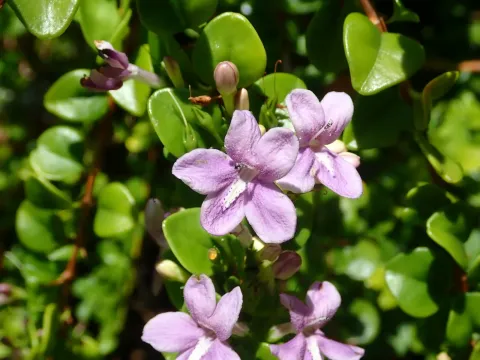
Oplonia is a genus of plants belonging to the Acanthaceae family, consisting primarily of tropical shrubs and subshrubs. The species naturally inhabit regions throughout the Caribbean Basin and adjacent areas, demonstrating adaptation to diverse environments ranging from humid tropical forests to dry, rocky slopes.
What the section contains


Oplonia
Botanically, the culture is defined by its opposite leaf arrangement and tubular flowers, which may appear solitary or grouped in inflorescences. The stems of most species tend to become woody over time, providing structural integrity but often requiring pruning to maintain a desirable aesthetic appearance.
The plant has strict temperature requirements: for healthy vegetative growth, a stable ambient temperature between +22 and +28 degrees Celsius is essential. Oplonia is highly susceptible to frost, and therefore, in temperate regions, it must be grown exclusively in greenhouses or controlled conservatory environments.
Soil requirements focus on well-drained, fertile substrates with a neutral to slightly acidic pH level. It is critical to prevent water stagnation around the root system, as excessive moisture combined with low temperatures frequently leads to fungal rot and the potential death of the specimen.
From an agricultural and economic perspective, Oplonia is not typically cultivated as a mass crop, serving more as a specialty plant for botanical collections or tropical landscaping. Research into its chemical properties remains significant for pharmaceutical studies, particularly due to the presence of unique glycosides and alkaloids.
The primary threats to Oplonia involve pests commonly associated with the Acanthaceae family in indoor environments. Spider mites and mealybugs are the most persistent threats, often proliferating rapidly when ambient humidity levels are inadequately maintained.
Fungal pathogens, including root rot and powdery mildew, are almost exclusively the result of improper agricultural practices. Proactive management involves ensuring proper airflow within the growing space and maintaining strict sanitation standards for soil and equipment during repotting processes.