
Phlogacanthus curviflorus
Phlogacanthus curviflorus
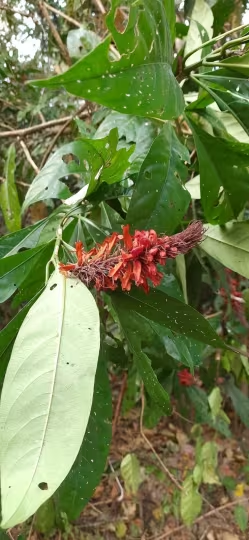
Description
Sowing dates
Propagation of Phlogacanthus curviflorus is primarily achieved through seeds or stem cuttings within controlled greenhouse environments.
Seeds should be sown in a well-drained, moist growing medium, maintaining a stable temperature range between +22°C and +25°C for optimal germination.
High air humidity is crucial for seedling emergence; therefore, covering the sowing trays with plastic or glass is highly recommended until sprouts appear.
Cuttings are usually taken during the spring or summer using semi-hardwood stems, which root effectively when treated with growth hormones and bottom heat.
Seedlings should be transplanted into individual pots once they have developed three to four true leaves, ensuring the use of nutrient-rich potting soil.
Growing requirements
As a member of the Acanthaceae family, Phlogacanthus curviflorus thrives in bright, indirect light; direct sunlight may cause leaf scorch.
The plant requires fertile, humus-rich soil that is slightly acidic or neutral, emphasizing the importance of excellent drainage to avoid waterlogging.
Optimal growth temperatures range from +18°C to +28°C, and the plant must be protected from frost and cold drafts throughout the winter season.
Regular but moderate watering is necessary, allowing the top layer of the soil to dry out slightly before the next irrigation cycle.
During the active growing season, application of balanced mineral fertilizers is recommended to support foliage development and overall plant health.
Yield
In a commercial context, the value of this crop is derived from its medicinal leaves and shoots rather than overall biomass volume.
Harvesting for medicinal use should be conducted before the plant enters its peak flowering phase to ensure maximum concentration of bioactive compounds.
The yield per plant varies depending on the maturity of the shrub, lighting conditions, and the effectiveness of the fertilization program applied during the season.
Regular pruning practices encourage branching, which directly contributes to a higher density of harvestable foliage throughout the growth period.
Post-harvest processing, particularly controlled drying in shaded, well-ventilated areas, is essential to maintain the quality and potency of the raw plant material.
Main diseases and pests
Common pests affecting this species include spider mites and mealybugs, which tend to proliferate rapidly if the air humidity remains low for extended periods.
Overwatering is a primary cause of root rot, a serious condition that can lead to the rapid decline and death of the plant if not addressed immediately.
Pest management should focus on biological control methods, regular leaf inspection, and proper sanitation of the growing space to prevent outbreaks.
Fungal issues, such as powdery mildew, may occur if airflow is insufficient; systemic fungicides and increased ventilation are required in such cases.
Proactive monitoring of the plant's health, removal of damaged tissues, and strict moisture control are key strategies for avoiding most common diseases.
Harvesting
Harvesting involves the careful manual selection of mature, healthy leaves, ensuring that the plant's structural integrity remains intact for continued growth.
Harvested materials must be kept away from direct heat or sunlight immediately after collection to prevent the degradation of heat-sensitive compounds.
When harvesting flowers, collection should take place when buds are fully open, as these are often gathered separately for specific therapeutic applications.
Sanitary pruning performed after the harvest helps the plant recover and diverts energy into new vegetative growth for the subsequent season.
High-quality raw material should retain its natural color and characteristic aroma, serving as a standard for successful cultivation and harvesting processes.