
Phaulopsis imbricata
Phaulopsis imbricata
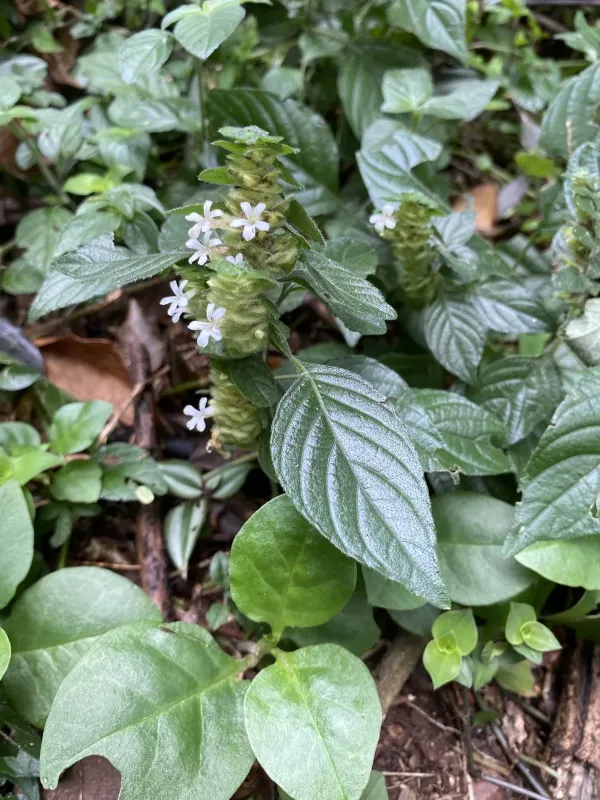
Description
Sowing dates
Propagation of Phaulopsis imbricata is primarily achieved through seeds, which require consistent moisture to break dormancy and ensure high germination rates.
Sowing should ideally occur at the onset of the rainy season to provide the necessary hydro-thermal balance for developing seedlings.
Seeds should be lightly covered with a thin layer of fine soil or compost to maintain humidity while allowing enough light for development.
Optimal germination occurs at temperatures between 22 and 28 degrees Celsius, requiring a stable environment for about 10–14 days.
Once established, the seedlings can be transplanted into prepared soil, ensuring that the roots are kept intact during the transfer process.
Growing requirements
The plant belongs to the Acanthaceae family and is native to tropical ecosystems across Africa and Asia.
Phaulopsis imbricata thrives in partial shade and requires protection from harsh, direct sunlight that can damage the leaves.
The ideal soil is rich in organic matter, slightly acidic to neutral, and possesses excellent drainage properties to prevent waterlogging.
Consistent irrigation is critical, as the species is highly sensitive to drought conditions and requires a humid atmosphere for optimal growth.
The plant demonstrates good adaptability to diverse tropical forest soils provided that aeration is sufficient to support root respiration.
Yield
Agricultural interest in Phaulopsis imbricata is focused on its medicinal properties, necessitating the harvest of high-quality vegetative biomass.
Yield performance is significantly improved by applying organic fertilizers and ensuring adequate spacing to prevent inter-plant competition.
Well-managed plots can produce several cuttings per season, significantly increasing the total annual biomass yield per unit area.
Regular pruning of the main stems encourages bushier growth and enhances the overall foliage production for harvest.
The chemical quality of the yield is highly dependent on environmental conditions, particularly light intensity and soil nitrogen levels.
Main diseases and pests
Fungal diseases, specifically those caused by excess humidity and poor air circulation, remain the primary threat to this crop.
Pests such as aphids and spider mites can infest the foliage, particularly during the dry season or in enclosed cultivation environments.
Implementing a strict sanitation program, including the removal of dead plant material, is essential for minimizing pathogen spread.
Integrated pest management, favoring biological controls over synthetic pesticides, is recommended for preserving the quality of medicinal yields.
Regular monitoring for early signs of chlorosis or spot damage is vital for timely intervention in crop management strategies.
Harvesting
The harvest phase is timed to coincide with the early flowering stage to capture the peak concentration of secondary metabolites.
Harvesting involves cutting the stems approximately 10 centimeters above the ground, allowing the plant to regenerate for future cuttings.
Immediate post-harvest processing is required to prevent fermentation or oxidation of the valuable phytochemicals within the fresh tissue.
Drying should be conducted in shaded, well-ventilated areas to ensure the product retains its characteristic color and therapeutic value.
Properly cured and stored, the dried material maintains high efficacy for subsequent use in extract production and pharmaceutical applications.