
Phaulopsis ciliata
Phaulopsis ciliata
Description
Growing requirements
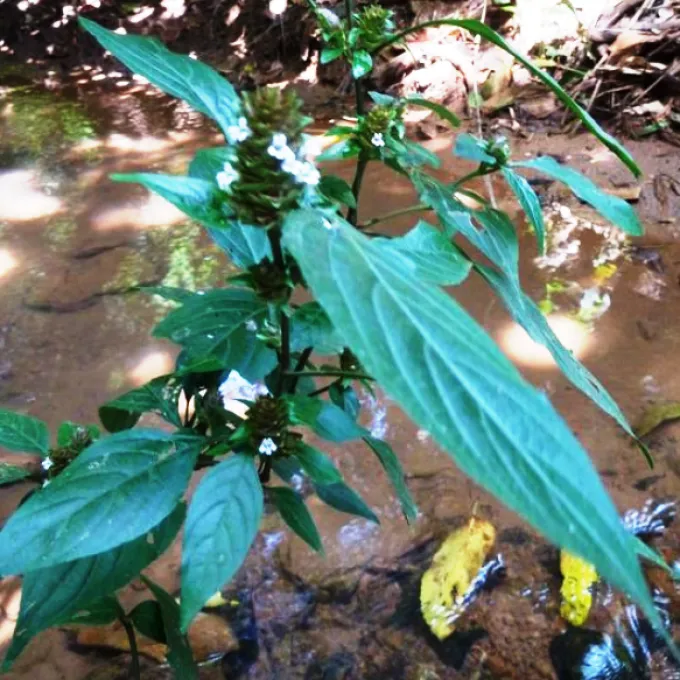
Phaulopsis ciliata is a herbaceous perennial belonging to the Acanthaceae family. It is recognized for its creeping growth habit, which allows it to thrive in diverse microclimates within tropical ecosystems, acting as a functional ground cover.
The native distribution of this species spans across various tropical regions in Africa and Asia. It typically inhabits shaded environments, such as forest understories, forest margins, and disturbed areas where canopy cover limits direct light penetration.
The botanical structure of the plant includes opposite leaves, often characterized by ciliated margins that justify its specific epithet. The inflorescences are distinct, bearing small flowers that are adapted to specific pollinators present in its native range.
Environmental requirements for this plant are centered on high humidity and consistent tropical temperatures. It performs best in well-drained, nutrient-rich forest soils, avoiding sites with extreme drought or prolonged waterlogging, which can impede root health.
While not a traditional commodity crop, Phaulopsis ciliata is of significant interest in ethnobotanical studies. Its chemical profile suggests potential utility in regional traditional medicine, warranting further scientific exploration of its biological compounds.