
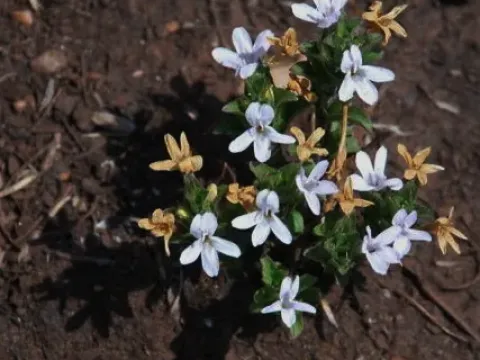
Chaetacanthus
Chaetacanthus
Chaetacanthus, a member of the Acanthaceae family, requires specific environmental triggers for effective germination. Seeds should be sown in a well-draining, sterile substrate that retains sufficient moisture without becoming waterlogged.
What the section contains

Chaetacanthus
The sowing process is most successful when temperatures are maintained between 22 and 26 degrees Celsius. Providing bottom heat can significantly accelerate the germination rate of this species.
Light is a crucial factor for the seeds, which should be pressed gently into the surface of the soil. Covering the tray with clear plastic helps maintain the necessary humidity levels during the initial growth stages.
Seedlings should be transplanted into individual containers once they develop their first set of true leaves. This transition requires careful handling of the root system to prevent transplant shock.
Acclimatization to ambient conditions should be gradual. Slowly increasing exposure to air circulation helps build resilience in young plants before they reach their final growing location.
Optimal growth for Chaetacanthus is achieved in environments with bright, filtered light. Protecting the plants from harsh midday sun is essential to avoid leaf scorching and maintain foliage health.
The soil profile must be rich in organic matter, offering a slightly acidic to neutral pH. Incorporating perlite or coarse sand into the potting mix ensures excellent aeration and moisture management for the root zone.
Consistent moisture is required during the active growing season, but the soil should be allowed to dry slightly between waterings. Over-saturation can lead to rapid physiological decline in this genus.
Nutrient supplementation should focus on balanced NPK fertilizers applied at half strength during the active growth phase. This promotes healthy development without risking fertilizer burn.
Maintaining high ambient humidity is vital, especially in indoor environments where air tends to be dry. Using pebble trays or humidifiers helps replicate the native tropical conditions preferred by the plant.
Spider mites are the most prevalent pest, particularly in environments with low humidity. Regular misting and proper plant spacing are effective preventative measures against infestation.
Root rot pathogens, such as Pythium, thrive in poorly drained soil. If foliage begins to wilt despite moist soil, it is often an indicator of severe root system compromise requiring immediate action.
Whiteflies can pose a significant challenge, targeting the undersides of leaves and sucking vital plant sap. Implementing sticky traps and horticultural oils helps manage these pest populations effectively.
Fungal leaf spot diseases are common when foliage remains wet for extended periods. Ensuring good airflow around the plant canopy reduces the risk of these opportunistic infections significantly.
Systemic insecticides may be used as a last resort in professional greenhouse settings. Integrated Pest Management (IPM) strategies, focusing on biological controls, are generally preferred to maintain plant health.