
Chamaeranthemum beyrichii
Chamaeranthemum beyrichii
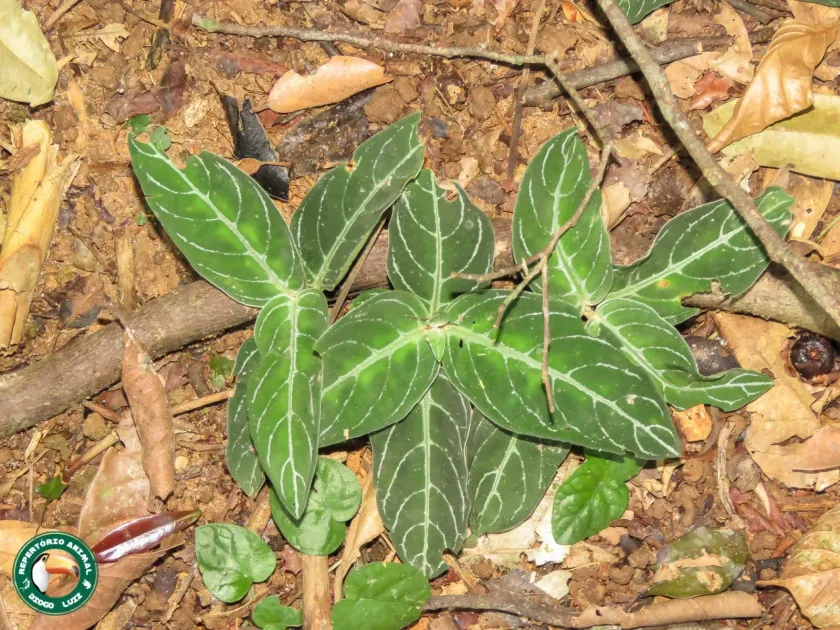
Description
Growing requirements
Chamaeranthemum beyrichii is a perennial ornamental species belonging to the Acanthaceae family. Native to the tropical rainforests of Brazil, this plant is highly regarded for its striking foliage characterized by intricate, often silver-veined patterns.
In a controlled environment, it functions as a highly decorative ornamental crop. Its biological growth habit is relatively low, making it an ideal choice for greenhouses, terrariums, and specialized indoor collections.
The plant requires high humidity levels, ideally maintained between 60% and 80%. Exposure to dry air or significant temperature fluctuations will cause the leaf margins to curl and brown, significantly reducing the plant's aesthetic value.
Soil requirements involve a rich, well-draining organic substrate. A mixture of peat, perlite, and decomposed forest soil creates the perfect aerated environment for the sensitive, thin root system of this species.
Regarding light, it thrives in filtered, indirect light conditions. Direct exposure to intense solar radiation can cause leaf bleaching and severe physiological stress, necessitating the use of shading nets or light-filtering glass.
Main diseases and pests
Chamaeranthemum beyrichii is susceptible to several common greenhouse pests, most notably the spider mite (Tetranychidae). These pests thrive in dry environments and can multiply rapidly on the undersides of leaves.
Mealybugs are another common threat, often settling in the leaf axils. They feed on plant sap, weakening the host and facilitating the growth of sooty mold on the sticky residue left behind by the insects.
Fungal pathogens associated with overly wet soil are the primary cause of plant death. Phytophthora and Pythium species can devastate the root system if the drainage is inadequate or if the plant remains waterlogged for extended periods.
Integrated pest management (IPM) is the most effective approach for this crop. This involves a combination of environmental control (maintaining high humidity) and the judicious use of horticultural soaps or specific miticides when necessary.
Proper sanitation, including the removal of dead or decaying plant material and keeping the growing area clean, is essential for preventing the outbreak of both diseases and pest populations in the crop cycle.