
Chamaeranthemum venosum
Chamaeranthemum venosum
Description
Growing requirements
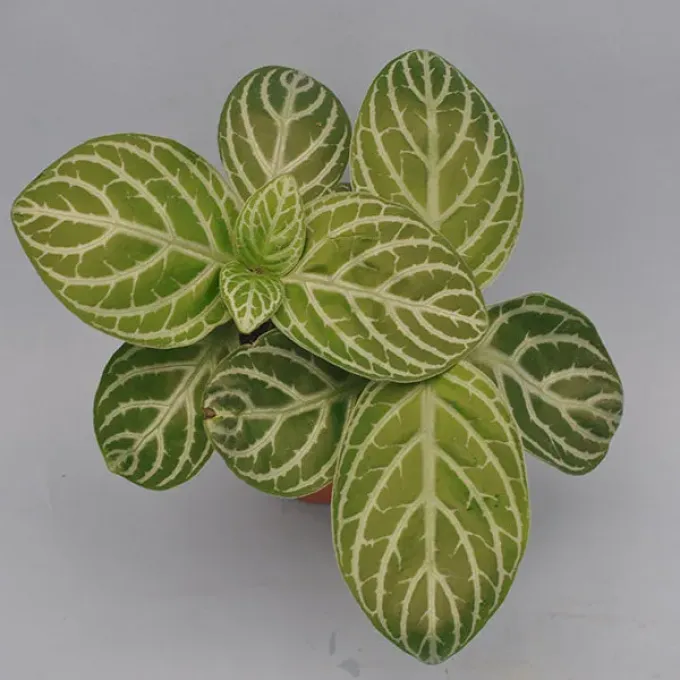
Chamaeranthemum venosum is a striking perennial herb belonging to the Acanthaceae family. Native to the tropical forests of Brazil, this plant is well-adapted to the humid and shaded conditions of the forest floor, making it a popular choice for indoor horticulture.
This species requires high humidity levels and stable temperatures between 20°C and 25°C. It is particularly sensitive to cold drafts, which should be avoided to prevent leaf loss and physiological stress to the plant.
The substrate for Chamaeranthemum venosum should be light, well-draining, and rich in organic matter. A mixture of peat-based soil with perlite or pumice provides the necessary aeration that the fine roots of this plant require for healthy growth.
Moderate but consistent watering is key to success. The soil surface should be allowed to dry slightly between waterings, as the roots are susceptible to rotting if kept constantly soggy, especially during the dormant season.
In terms of light, the plant prefers bright, indirect light to maintain its characteristic veined pattern. Direct sunlight can scorch the leaves, while insufficient light may cause the stems to stretch and lose their compact habit.
Main diseases and pests
Spider mites are the most common pest, especially in environments with dry air. Regular misting of the foliage or the use of a humidifier significantly reduces the risk of infestation and keeps the leaves clean.
Root rot is a major threat caused by overwatering or poorly draining soil. To mitigate this risk, ensure that pots have adequate drainage holes and use a coarse growing medium that prevents water stagnation at the base.
Mealybugs can often hide in the dense leaf junctions, making them difficult to detect early. If spotted, they should be removed promptly using a cotton swab dipped in rubbing alcohol to prevent the population from spreading.
Fungal leaf spot diseases may occur if moisture persists on the foliage for too long without adequate air circulation. Keeping the area well-ventilated and ensuring the leaves stay dry after cleaning helps maintain plant health.
Monitoring the plant's health through regular inspection of both the upper and lower surfaces of the leaves is essential. Integrated pest management, focusing on cultural practices, is the most effective approach for this indoor ornamental.