
Brillantaisia lamium
Brillantaisia lamium
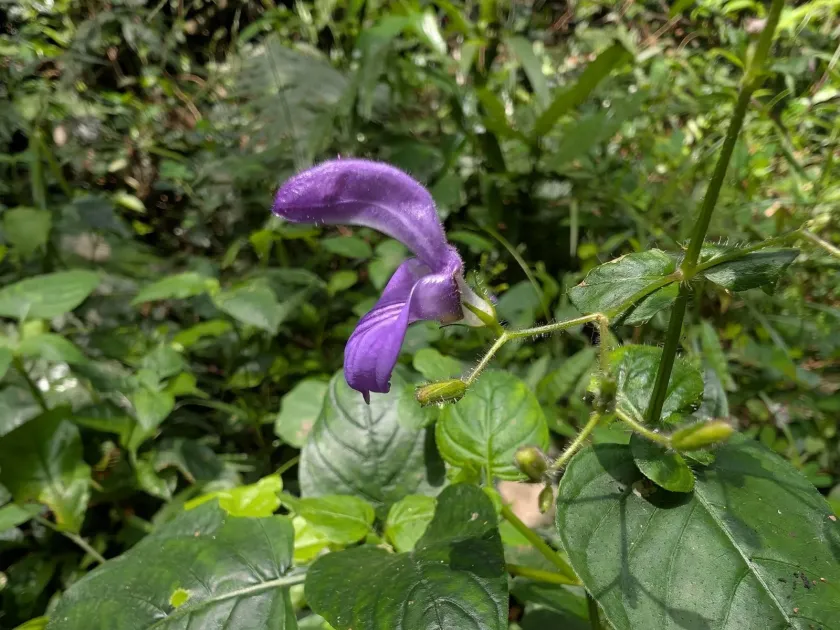
Description
Sowing dates
Brillantaisia lamium, a member of the Acanthaceae family, is a vigorous herbaceous plant native to tropical Africa. Successful cultivation begins with understanding its reproductive requirements, which usually involve propagation via seeds or stem cuttings in warm, humid conditions.
Seeds are small and require a fine, well-draining germination medium rich in organic matter. Sowing should occur at a shallow depth to ensure sufficient light penetration, which is often a trigger for germination in many tropical species.
Maintaining a stable temperature around 24 degrees Celsius is crucial during the early stages of development. Propagation by cuttings is often more reliable for commercial purposes, as it ensures uniformity in the offspring and faster establishment of the root system.
Transplanting into the field must be done carefully to avoid root disturbance. The plants should be spaced to allow for sufficient air circulation, as the broad leaves are prone to fungal issues if overcrowded.
Optimal sowing seasons coincide with the onset of the rainy season or consistent warm weather patterns, ensuring that the young plants can establish themselves before the peak of any heat-stress periods.
Growing requirements
Brillantaisia lamium thrives in environments that mimic its natural tropical habitat. It requires high humidity and moderate to high temperatures, ideally between 20 and 30 degrees Celsius, to maintain active growth rates.
The plant prefers filtered or partial sunlight. Intense midday sun can be detrimental, leading to dehydration and scorching of the foliage, so positioning in an area with dappled shade is highly recommended for optimal biomass production.
Soil requirements include a high level of fertility and excellent drainage. While the plant loves moisture, it cannot withstand waterlogged conditions, which can lead to root rot and systemic failure of the crop.
Regular watering is necessary, especially during dry spells. Mulching around the base of the plant can help maintain soil moisture levels and regulate temperature fluctuations in the rhizosphere.
Fertilization should be balanced, focusing on nitrogen during the vegetative phase. This promotes the lush leaf development required for those harvesting the plant for its potential medicinal or chemical properties.
Yield
The yield of Brillantaisia lamium is primarily measured by the total biomass of the aerial parts. The harvest strategy involves selecting the optimal developmental stage, typically just before full anthesis to ensure maximum active compound content.
Commercial yields are optimized through regular pruning, which encourages the development of more lateral branches and, consequently, a denser canopy of leaves ready for harvesting throughout the growing season.
Post-harvest management requires careful drying in a well-ventilated space, shielded from direct sunlight to preserve the volatile compounds. Moisture content must be reduced significantly to ensure long-term stability of the dried product.
Productivity per hectare is highly dependent on climate and management intensity. Intensive cultivation systems utilizing greenhouse technology can significantly increase annual yields compared to traditional field methods.
Market utility includes potential interest from the pharmaceutical and botanical sectors. Providing consistent, high-quality material is the primary challenge in scaling the yield for industrial applications.
Main diseases and pests
The most common pests affecting Brillantaisia lamium are spider mites and whiteflies. These insects proliferate in dry, warm conditions and can quickly compromise the quality of the foliage if not monitored effectively.
Fungal pathogens such as powdery mildew are significant threats, especially in high-humidity environments with poor air circulation. These diseases appear as white patches on the leaves, leading to chlorosis and potential leaf drop.
Root rot, often caused by soil-borne fungi like Pythium or Phytophthora, is the most lethal condition for this species. It is directly linked to overwatering and inadequate soil drainage, making it a critical focus for management.
Integrated pest management strategies are recommended, including the use of neem oil or other organic pesticides to control insect populations while protecting beneficial organisms within the field environment.
Cultural practices like crop rotation and the removal of diseased plant parts are essential for preventing the buildup of pathogens in the soil, ensuring the long-term viability of the cultivation site.