
Brillantaisia nitens
Brillantaisia nitens
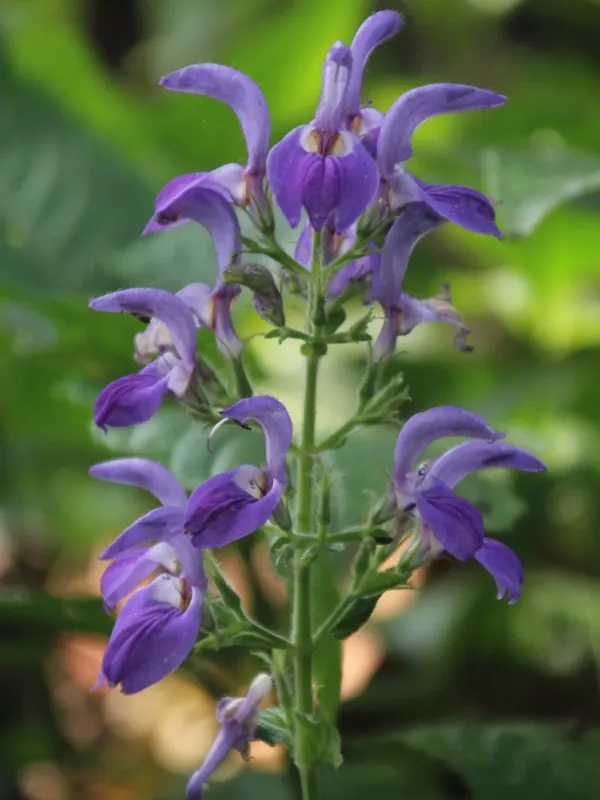
Description
Growing requirements
Brillantaisia nitens is a perennial herbaceous plant belonging to the Acanthaceae family, native to the tropical forests of Africa. In its natural environment, it typically thrives in the understory of moist, humid forests and along riparian corridors.
The plant requires loose, well-draining soil rich in organic matter to support its rapid vegetative growth. Soil moisture must be consistent; however, drainage is essential to prevent waterlogging, which the plant is highly sensitive to due to its tropical origin.
Climatic requirements for Brillantaisia nitens include high humidity levels and a stable temperature range between 22°C and 28°C. It performs best in partial shade, as intense direct sunlight can scorch its broad leaves and lead to premature physiological stress.
Agronomic practices involve regular watering and the application of balanced nitrogen-rich fertilizers during the active growth phase. Pruning is often utilized to maintain a compact, productive plant structure and to encourage healthier development of lateral shoots.
Economically, this species is gaining attention for its potential in medicinal research due to specific bioactive compounds found in its tissues. Furthermore, it is increasingly being recognized in specialized horticultural markets for its distinct aesthetic and botanical properties.
Main diseases and pests
The most significant threats to Brillantaisia nitens include root rot pathogens exacerbated by excessive soil moisture and poor airflow. Implementation of standard phytosanitary measures and proper spacing is critical to maintaining a disease-free environment.
- Spider mites (Tetranychidae)
- Whiteflies (Aleyrodidae)
- Root fungal infections (Phytophthora)
- Leaf spot diseases
Managing these threats involves integrated pest management (IPM) strategies, including the use of neem-based insecticides and ensuring optimal humidity levels to reduce stress on the plant, which makes it more resilient to infestations.