
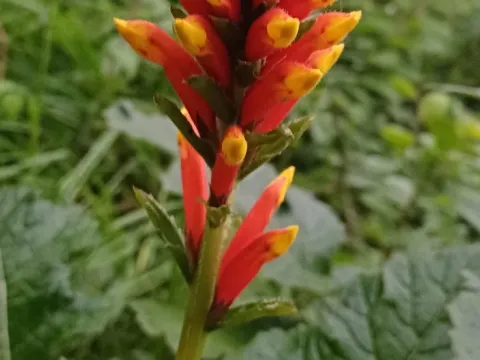
Aphelandra
Aphelandra
Aphelandra is a genus of evergreen flowering plants belonging to the family Acanthaceae. Native to the tropical regions of Central and South America, these plants are primarily valued for their striking foliage and colorful, long-lasting flower spikes.
What the section contains
 Aphelandra hartwegiana
Aphelandra hartwegiana
Aphelandra hartwegiana
 Aphelandra hybrids
Aphelandra hybrids
Aphelandra hybrids
 Aphelandra pulcherrima
Aphelandra rigida
Aphelandra rigida
Aphelandra pulcherrima
Aphelandra pulcherrima
Aphelandra rigida
Aphelandra rigida
 Aphelandra scabra
Aphelandra scabra
Aphelandra scabra
 Aphelandra schiedeana
Aphelandra schiedeana
Aphelandra schiedeana
 Aphelandra sinclairiana
Aphelandra stephanophysa
Aphelandra stephanophysa
Aphelandra sinclairiana
Aphelandra sinclairiana
Aphelandra stephanophysa
Aphelandra stephanophysa
 Orange aphelandra
Aphelandra aurantiaca
Orange aphelandra
Aphelandra aurantiaca
Aphelandra
Botanically, they are characterized by opposite, often variegated leaves and bract-covered inflorescences that provide a decorative appeal for months. In agricultural and horticultural practice, they are considered high-maintenance indoor crops.
The culture requires high humidity and steady tropical temperatures ranging from 20°C to 25°C. Cold drafts and sudden thermal fluctuations are detrimental to the plant's health and can lead to premature leaf drop.
Soil requirements focus on a loose, well-draining, and nutrient-rich growing medium. A typical potting mix includes peat, leaf mold, and sand, ensuring that the roots are adequately aerated while maintaining necessary moisture levels.
Proper light management is essential, as the plants prefer bright, filtered light. Direct sun exposure is usually avoided to prevent scorched leaves, while low light conditions result in poor internode spacing and loss of variegation.
Common pests include spider mites and scale insects, which thrive in environments where ambient humidity is not strictly controlled. Regular misting and leaf hygiene are vital components of integrated pest management for this culture.
Fungal diseases, particularly root rot, are the most common threats to the plant's survival. These are usually induced by poor drainage, overly heavy soil textures, or late-season waterlogging in cooler conditions.