
Aphelandra schiedeana
Aphelandra schiedeana
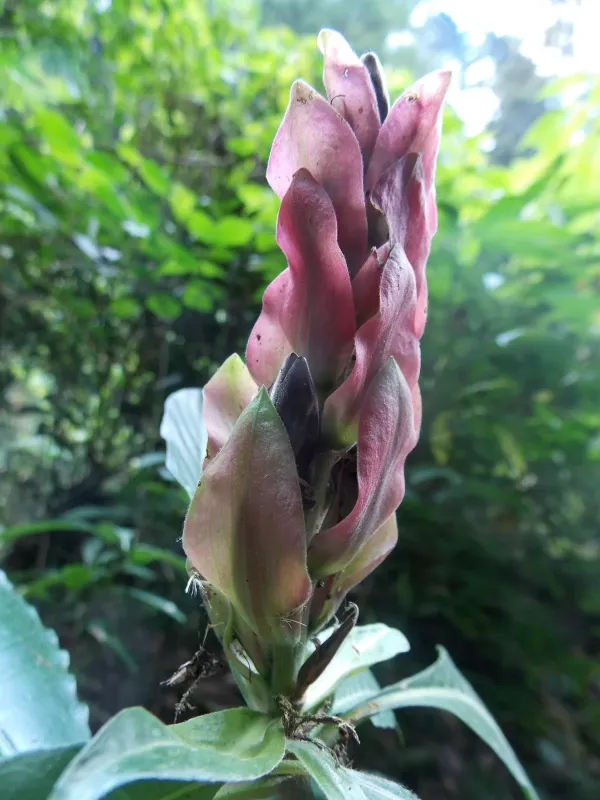
Description
Growing requirements
Aphelandra schiedeana is a distinctive member of the Acanthaceae family, native to the tropical regions of Central America, specifically Mexico. This evergreen subshrub is valued for its lush foliage and striking floral structures, making it a staple in tropical gardening collections.
Botanically, the plant develops an upright growth habit, typically reaching heights between 0.5 to 1.5 meters. The leaves are large, elliptical, and prominently veined, providing significant aesthetic appeal in both greenhouses and indoor environments.
The climate requirements for this species are centered on consistency. It thrives in ambient temperatures between 20°C and 25°C. Exposure to direct sunlight should be avoided to prevent foliar scorching; instead, bright, indirect light is necessary for optimal development.
Regarding soil, a well-draining, nutrient-rich substrate is essential. A mixture composed of peat moss, perlite, and high-quality potting soil allows for the necessary aeration and moisture retention that the root system requires to flourish.
Host-plant utilization is focused primarily on decorative use. Due to its unique appearance and ability to bloom in specialized conditions, it is widely utilized by indoor plant enthusiasts and landscape professionals aiming to create vibrant, tropical-inspired interior environments.
Main diseases and pests
The primary pest threats to Aphelandra schiedeana include spider mites and scale insects. These pests often thrive when the humidity levels are too low, making consistent misting and environmental monitoring critical components of plant maintenance.
Mealybugs are another common challenge, frequently settling in the junctions where leaves meet the stem. If left unmanaged, these insects can severely stunt the plant's growth and lead to yellowing leaves and loss of overall vigor.
Root rot represents the most significant pathological risk, usually stemming from overwatering or poorly draining soil. When the substrate remains waterlogged for extended periods, it fosters the growth of harmful anaerobic bacteria and fungi.
Effective management includes maintaining a balance between moisture and drainage. Growers should inspect the plant frequently for signs of wilting or discoloration, which often serve as early indicators of either pest infestation or water-related stress.
A proactive approach to health involves regular fertilization during the active growing season using balanced liquid fertilizers. A well-nourished plant is inherently more resistant to external stressors and better equipped to recover from minor pest attacks.