
Aphelandra hartwegiana
Aphelandra hartwegiana
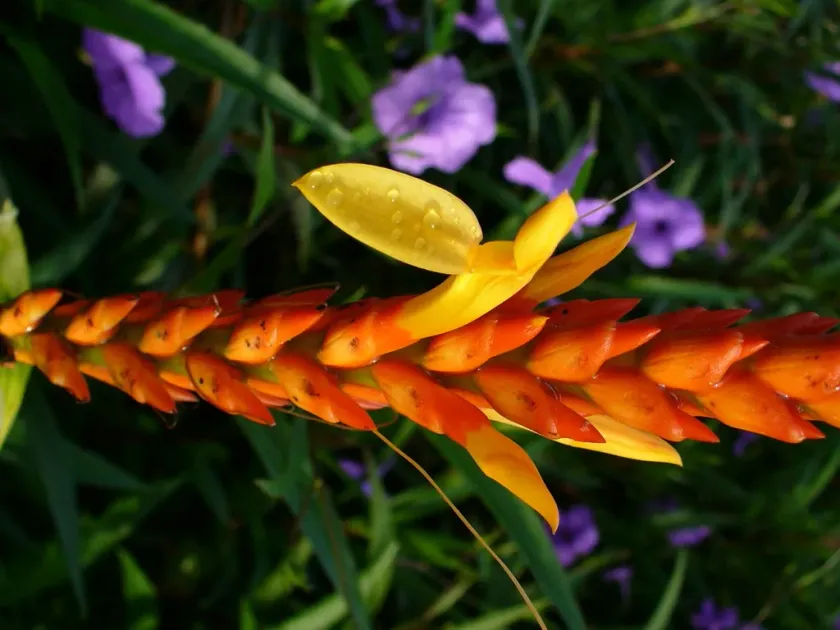
Description
Growing requirements
Aphelandra hartwegiana is a notable species within the Acanthaceae family, native to the tropical regions of South America. It is characterized by its structural form and decorative floral bracts, which make it a popular specimen for controlled indoor cultivation and greenhouse agriculture.
The plant requires a stable environment with bright, indirect sunlight to maintain its vibrant leaf coloration. Exposure to harsh direct sun is generally avoided to prevent foliage scorching, while consistency in thermal conditions is vital for healthy growth cycles throughout the year.
Soil composition must be well-drained and slightly acidic to mimic the natural forest floor conditions. A mixture consisting of peat moss, perlite, and organic leaf mold provides the necessary aeration and moisture-retention balance required for optimal root health.
Agricultural management of this crop involves high humidity levels and regular, moderate irrigation. During the peak vegetative period, balanced liquid fertilizers are applied to support the development of the distinct yellow or orange inflorescences that typify the genus.
Botanically, Aphelandra hartwegiana exhibits a bush-like habit, often reaching maturity within several seasons under greenhouse care. Propagation is typically achieved through stem cuttings, which require warm conditions to initiate root development efficiently.
Main diseases and pests
The primary pests affecting this species include spider mites and scale insects, which thrive in environments where air circulation is poor and humidity levels are low. Regular inspections of the undersides of leaves are recommended to detect infestations at an early stage.
Fungal pathogens represent a significant threat if irrigation practices are not strictly managed. Specifically, root rot may develop if the soil remains waterlogged, necessitating the use of coarse drainage material at the bottom of the planting container.