
Aphelandra scabra
Aphelandra scabra
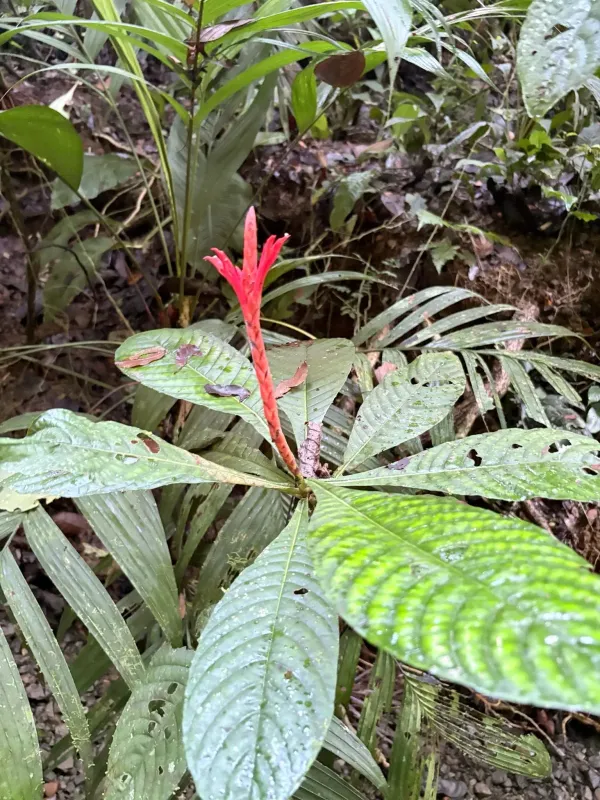
Description
Growing requirements
Aphelandra scabra belongs to the Acanthaceae family and is native to the tropical forests of Central and South America. It is a perennial shrub that thrives in humid, shaded environments, typically under the canopy of rainforest trees.
This species is valued for its distinct, colorful floral bracts and textured foliage. As a tropical plant, it demands stable environmental conditions, specifically avoiding drastic fluctuations in temperature or sudden cold drafts.
Cultivation requires a well-draining, nutrient-rich, and slightly acidic substrate. A mixture of peat, perlite, and organic matter is recommended to ensure both moisture retention and proper root aeration, which is vital for the plant's health.
The plant requires bright, indirect sunlight. Exposure to harsh direct sun can bleach the leaves or cause permanent tissue damage, while deep shade will inhibit the formation of inflorescences and lead to legginess.
Watering management is essential, as the plant needs consistently moist soil without becoming waterlogged. During the growing season, a balanced liquid fertilizer should be applied periodically to support rapid development and vibrant blooms.
Main diseases and pests
Common pests affecting Aphelandra scabra in controlled environments include spider mites, mealybugs, and scale insects. These pests often proliferate when ambient humidity levels drop or when the plants are overcrowded.
Fungal infections, such as root rot, are typically caused by overwatering or poor drainage. These pathogens can quickly weaken the plant structure, leading to leaf drop and potential mortality if not treated early.
Integrated pest management involves regular monitoring of the underside of leaves and stems. Maintaining good airflow within the greenhouse or indoor space is a critical cultural practice to prevent the build-up of humidity and pathogens.
Chemical control should be employed only when mechanical or biological methods are insufficient. Always ensure that the selected insecticide or fungicide is appropriate for the plant's delicate growth stage.
Cultural stress, including low water quality (high salt content) or fluctuating temperatures, can manifest as chlorosis or necrosis on the leaf tips, often mimicking signs of nutrient deficiency or disease infection.