
Aphelandra sinclairiana
Aphelandra sinclairiana
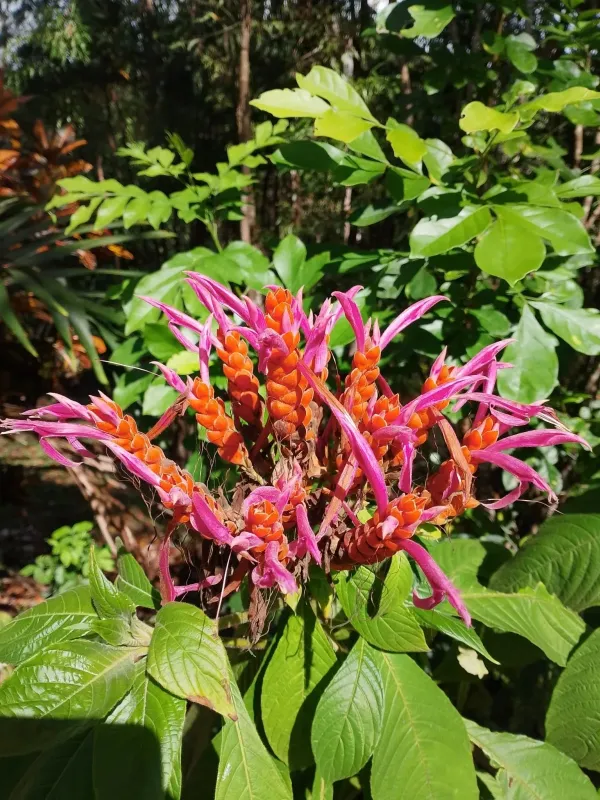
Description
Growing requirements
Aphelandra sinclairiana is an ornamental tropical shrub belonging to the Acanthaceae family. Originally native to the rainforests of Panama and Costa Rica, this species is highly valued in horticulture for its spectacular, coral-colored bracts that create a distinct visual impact.
The crop requires a stable, warm climate to thrive, ideally maintaining temperatures between +20°C and +28°C. Cold drafts or sudden drops in temperature below +15°C can cause significant leaf drop and physiological stress to the plant, hindering its growth cycle.
Soil requirements for this species are specific: it necessitates a well-draining, nutrient-rich substrate with a slightly acidic pH. Incorporating organic matter, such as peat moss or leaf mold, ensures the root system receives sufficient oxygen while retaining necessary moisture levels.
Light management is crucial for the successful cultivation of Aphelandra sinclairiana. While it appreciates high light levels, direct sunlight can scorch its large, deep green leaves. Greenhouse growers often use 30–50% shade cloth to achieve the ideal light diffusion for vigorous plant development.
In terms of agricultural use, this plant is cultivated strictly as an ornamental luxury crop. It is highly sought after by commercial nurseries for its unique aesthetics, serving as a focal point in indoor landscapes, botanical conservatories, and high-end floral exhibitions globally.
Main diseases and pests
Common pests affecting this species include spider mites and scale insects, which often thrive in environments with low humidity. Regular monitoring of the foliage and implementing integrated pest management strategies are essential for maintaining high plant quality.
Fungal pathogens such as root rot and leaf spots represent significant threats if the irrigation regime is not strictly controlled. Ensuring proper soil aeration and avoiding overhead watering in the evenings can significantly reduce the risk of infection.