
Aphelandra hybrids
Aphelandra hybrids
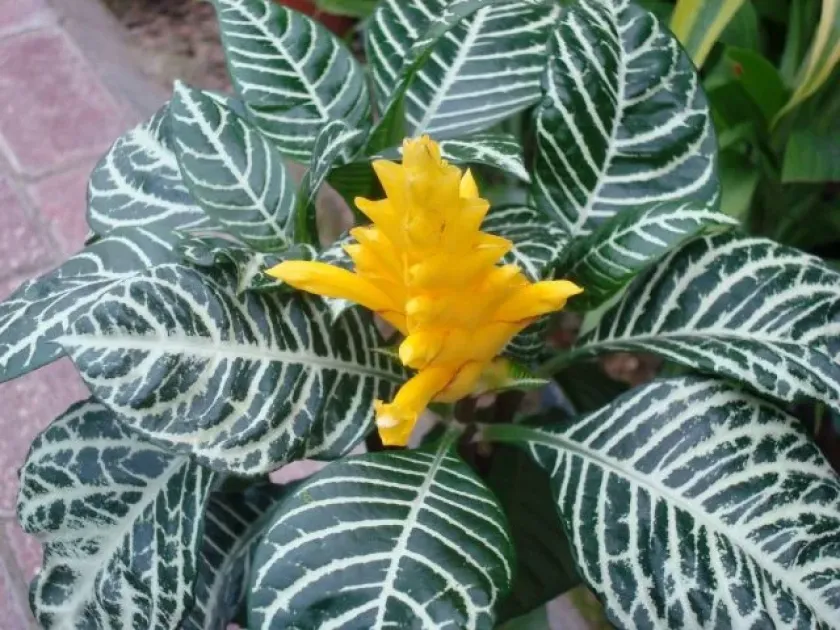
Description
Growing requirements
Aphelandra hybrids belong to the Acanthaceae family. This ornamental crop is native to the tropical forests of Central and South America and is widely recognized for its striking, vein-patterned foliage.
The climate requirements for this species are strict, as it thrives in temperatures ranging from +20 to +25 degrees Celsius. Cold drafts must be avoided at all costs, as the plant is highly sensitive to temperature fluctuations.
Light management is essential for this culture. It requires bright, indirect sunlight to maintain its vibrant leaf coloration; direct, harsh sun can quickly cause thermal damage and leaf scorching.
The soil should be well-draining, rich in organic matter, and slightly acidic. A mixture of peat, leaf mold, and sand is highly recommended to ensure sufficient root aeration and moisture control.
High relative humidity is critical for the healthy growth of Aphelandra. Maintaining a humidity level of 60% or higher is recommended, which can be achieved through regular misting or using a humidifier.
Main diseases and pests
Scale insects are among the most common pests affecting this plant. They typically cluster on the undersides of leaves and along stems, extracting sap and causing localized yellowing of the foliage.
Spider mites are frequently encountered when air humidity is too low. Their presence is marked by fine webbing and a mottled appearance on the leaves, leading to premature leaf drop if left untreated.
Mealybugs can infest the plant, hiding in leaf axils and covering themselves with a waxy, cotton-like substance. Targeted treatment with horticultural soap or systemic insecticides is usually necessary.
Fungal infections, such as root rot, are usually the result of overwatering or poorly drained pots. These diseases manifest as dark, mushy patches on stems and roots, often accompanied by a distinct odor.
Effective management involves consistent monitoring for early signs of distress. Ensuring proper drainage and moderate watering cycles significantly reduces the risk of these common pathogens.