
Aphelandra pulcherrima
Aphelandra pulcherrima
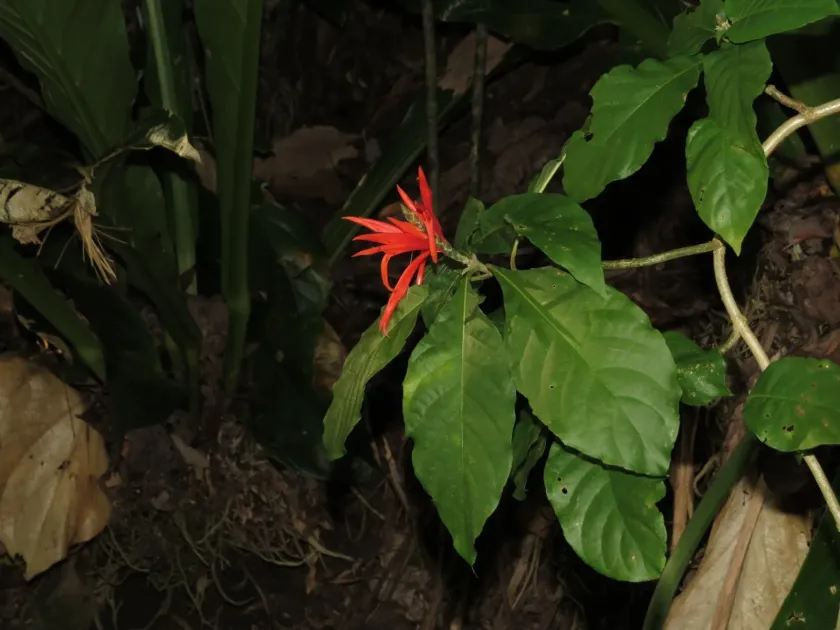
Description
Growing requirements
Aphelandra pulcherrima is a prominent member of the Acanthaceae family, known for its striking architectural foliage and vivid bracts. It originates from the tropical rainforests of South and Central America, where it thrives in shaded, humid environments.
This crop demands high humidity levels and stable temperatures ranging from 20 to 25 degrees Celsius to remain healthy. It is highly sensitive to cold drafts and sudden changes in the thermal environment, which can lead to premature leaf drop.
The soil requirements involve a well-draining, nutrient-rich substrate composed of peat, perlite, and leaf mold. Proper aeration of the root zone is crucial to prevent oxygen deprivation and fungal colonization of the underground structures.
Lighting should be bright but indirect; direct sunlight exposure often results in leaf scorch, significantly reducing the ornamental value of the plant. During low-light winter months, artificial grow lights are recommended to maintain consistent physiological activity.
Agronomic maintenance includes regular irrigation with warm, chlorine-free water. The growing medium should be kept consistently moist but never waterlogged, as stagnant water is a primary cause of physiological stress in this species.
Main diseases and pests
The main pests affecting the crop include spider mites and scale insects, which proliferate in environments with low humidity. Integrated pest management, including systemic insecticides and increased ambient humidity, is the most effective approach.
Fungal diseases like root rot represent the most common threat, usually triggered by overwatering or poor drainage. Infected plants often require immediate repotting into fresh, sterile substrate with careful removal of necrotic root tissues.