
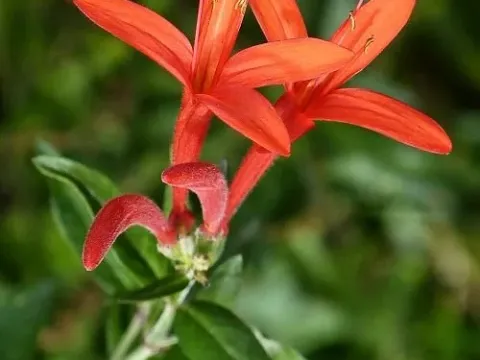
Anisacanthus
Anisacanthus
Anisacanthus is commonly propagated through softwood cuttings taken during the peak growth season in late spring. This method ensures that the young plants retain the genetic characteristics of the parent shrub.
What the section contains


Anisacanthus
When starting from seeds, it is essential to use a high-quality seed-starting mix. The seeds should be sown in early spring and kept in a warm environment to facilitate successful germination, which usually takes several weeks.
Maintaining a steady humidity level is crucial during the early stages of development. Using a misting system or covering the containers with a transparent film can help create the necessary microclimate for the cuttings to thrive.
Once the risk of frost has passed, the young shrubs can be transplanted into their permanent outdoor locations. It is vital to acclimate the plants gradually to outdoor conditions before full planting.
Choosing an appropriate planting density is key to long-term health. Depending on the species, providing 2 to 3 feet of spacing between plants allows for adequate airflow and helps prevent the development of dense, pest-prone foliage.
As a plant native to warm, arid regions, Anisacanthus thrives in full sun exposure. While it can tolerate partial shade, maximum flowering intensity is achieved only in positions with at least 6 to 8 hours of direct sunlight.
The soil requirements for this genus are relatively modest. It prefers well-drained, slightly alkaline to neutral soil. Avoiding heavy clay that retains too much water is essential for preventing root-related disorders.
Water management is the cornerstone of Anisacanthus maintenance. While established plants are highly drought-tolerant, providing consistent moisture during the blooming period will significantly improve the duration and quantity of flowers.
Temperature sensitivity is a limiting factor for this crop in temperate regions. In areas prone to heavy freezing, growing Anisacanthus in containers allows for easy relocation to a sheltered area during the winter months.
Fertilization should be applied sparingly, ideally during the early spring as the growing season begins. A balanced, slow-release fertilizer provides all the necessary nutrients without causing excessive, weak vegetative growth.
Root rot is the most common health issue for Anisacanthus, almost always linked to poor drainage or overwatering. Improving soil structure and strictly controlling irrigation cycles are the primary methods for mitigation.
Pest management focuses primarily on spider mites and aphids, which are particularly active during hot and dry spells. Inspecting the undersides of the leaves periodically can help detect infestations in their early stages.
In cases of severe pest attacks, integrated pest management strategies are recommended, including the use of insecticidal soaps or neem oil. Chemical pesticides should be used only as a last resort to minimize impact on pollinators.
Powdery mildew can sometimes appear in areas with poor ventilation. Ensuring that the foliage remains dry and that the plants are not overcrowded is the best way to prevent this fungal disease from taking hold.
- Conducting annual sanitary pruning to remove dead or diseased stems.
- Cleaning gardening tools with antiseptic solutions to prevent cross-contamination.
- Monitoring plants during high-humidity periods for signs of fungal infections.