
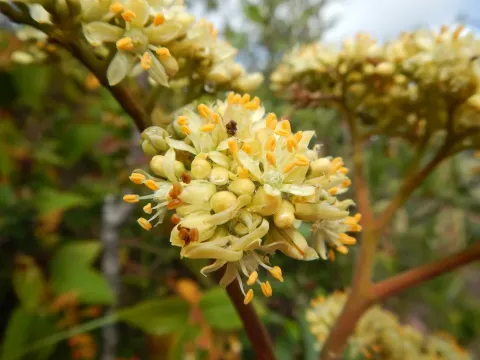
Dictyoloma
Dictyoloma
Dictyoloma seeds are primarily sown in protected environments or specialized nurseries, as the plant is a typical representative of tropical flora. The optimal time to begin sowing is at the start of the rainy season, ensuring high humidity levels which are critical for successful germination.
What the section contains

Dictyoloma
The soil mixture for sowing must be light, well-drained, and slightly acidic, reflecting the natural growing conditions of this species. Seeds do not require deep burial; they are usually lightly covered with substrate to maintain constant moisture around the embryo.
The temperature for germination should be maintained between 25 and 28 degrees Celsius. It is crucial to prevent the top layer of soil from drying out, which is why drip irrigation systems or regular fine misting are often used in greenhouse settings.
After emergence, seedlings are transplanted into individual containers. The plant exhibits moderate growth speed in the early stages, requiring gradual adaptation to intense sunlight following an initial period of development in partial shade.
To accelerate germination, pre-sowing treatment with growth stimulants is recommended, as Dictyoloma can exhibit a long dormancy period caused by the characteristics of the seed coat formation in its natural habitat.
Dictyoloma belongs to the Rutaceae family and is a woody plant that has strict temperature requirements. It cannot tolerate freezing temperatures, so commercial cultivation is restricted exclusively to tropical and subtropical zones.
The plant prefers well-lit areas, although it requires protection from direct scorching sun during its youth. It thrives in open spaces with high air humidity, which is characteristic of forest edges and warm plains.
Soil preferences include fertile loams or red soils rich in humus and mineral components. A vital factor is the absence of water stagnation, as the root system of Dictyoloma is prone to rotting when subjected to excessive moisture in heavy, poorly aerated soils.
The crop responds positively to the application of organic fertilizers during the active growing season. Agricultural practices also include regular loosening of the soil around the base of the plant, which promotes gas exchange and stimulates the development of secondary roots.
In cultivation, it is necessary to consider pollination specifics. Dictyoloma often depends on specific insect species, so commercial plantations must ensure free access for pollinators or employ artificial cross-pollination methods to ensure seed production.
The main product derived from Dictyoloma is its medicinal raw material, consisting of bark and leaves. Bark harvesting is performed during peak sap flow when the concentration of active alkaloids and essential oils reaches its maximum value.
Leaf harvesting is carried out mechanically or manually depending on planting density. It is essential to avoid excessive damage to the primary branches to prevent the development of fungal infections on the damaged wood surfaces.
After collection, the plant material is immediately dried in well-ventilated rooms at temperatures not exceeding 40–45 degrees Celsius. This preserves the chemical composition of the active compounds and prevents spoilage caused by mold development.
The harvesting technology includes sorting the raw material to remove foreign impurities and damaged plant parts. The purity of the raw material directly affects its subsequent demand in the pharmaceutical industry and its export potential.
For long-term storage, the dried product is packed in airtight containers or multi-layer paper bags. Warehouse conditions must be dry and shielded from direct sunlight, which prevents the photochemical degradation of the active substances.