
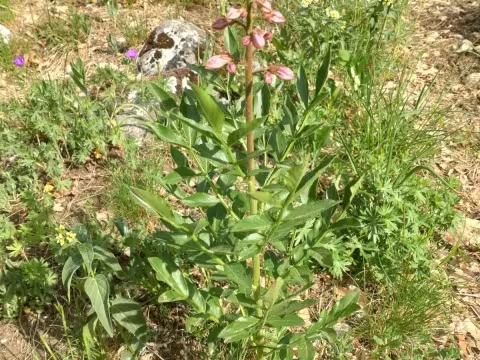
Dictamnus
Dictamnus
Sowing Dictamnus seeds is most effective during the autumn season, as the seeds require a period of stratification to achieve successful germination. Using freshly harvested seeds typically yields a higher germination rate, making October or November the ideal time for sowing in open ground to ensure natural cooling.
What the section contains

Dictamnus
For spring sowing, seeds must be stratified in a refrigerator for 2 to 3 months at temperatures between +1 and +5 degrees Celsius. Without this cold treatment, the germination percentage will be critically low, which makes late-autumn sowing the preferred method for propagating the crop.
The seeds should be sown at a depth of 1–2 centimeters. The soil must be loose and free from weeds, as the young seedlings develop slowly and can easily be suppressed by more aggressive competitive vegetation during their first year of life.
Row spacing should be at least 40–50 centimeters, taking into account the significant growth area required by the mature plant. This species is known for its longevity and can thrive in the same location for more than 10–15 years.
While seeds can maintain viability until spring, they degrade rapidly if stored in dry and warm conditions. It is strongly recommended to use only fresh seed material for establishing new production sites or plantations.
Dictamnus is a perennial essential oil plant belonging to the Rutaceae family. In the wild, it is distributed across temperate latitudes of Eurasia, typically inhabiting sunny slopes, open forests, and steppe regions.
The plant is extremely demanding regarding light exposure and cannot tolerate shade. To maximize the accumulation of essential oils, which are concentrated in all aerial parts, the crop requires intense solar radiation throughout the entire growing season.
Soil preferences include well-drained, lime-rich, and calcium-heavy substrates. The crop does not tolerate stagnant water around the root system, so in heavy clay soils, it is necessary to provide proper drainage systems or build raised garden beds.
Dictamnus is a cold-hardy crop, well-adapted to continental climates. It successfully withstands significant temperature fluctuations and late spring frosts, although it can be sensitive to extreme freezing in regions without adequate snow cover.
A crucial requirement during cultivation is moderate irrigation during the active growth phase. Excess moisture combined with high air temperatures can lead to the development of fungal root diseases, compromising the health of the entire plantation.
The primary biological hazard associated with Dictamnus involves the emission of volatile essential oils, which can cause chemical burns and dermatitis upon contact with human skin. Maintenance tasks must be performed while wearing protective clothing and heavy-duty gloves.
Among diseases, root rot caused by pathogenic fungi during periods of overwatering is the most frequent issue. Prevention relies on strictly maintaining the watering regime and utilizing fungicides during the early stages of seedling development.
Pests are rarely a significant threat to Dictamnus due to the high concentration of terpenes that naturally repel insects. However, under conditions of dense planting, infestations of aphids can occur, targeting young shoots and flower clusters.
Larvae of certain leaf-mining flies can damage the leaf blades by creating tunnels within the internal tissues. To control these pests, systemic insecticides should be applied during periods when the plant is not in the active flowering phase.
Powdery mildew infections can occur in years with high air humidity. To prevent the spread of the fungus, it is recommended to remove damaged foliage promptly and ensure adequate ventilation between individual plants.