
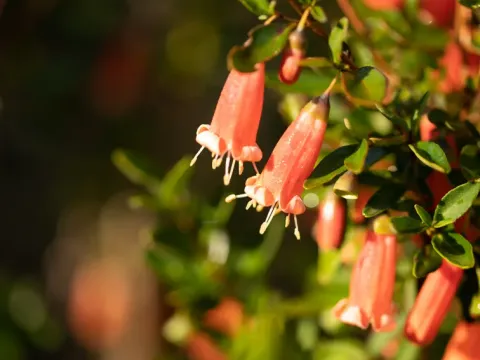
Correa
Correa
Correa is a genus of evergreen shrubs belonging to the Rutaceae family. These plants are native to Australia and Tasmania, thriving in regions with mild temperatures and varying levels of humidity.
What the section contains


Correa
The plant requires well-drained, slightly acidic or neutral soil types to perform well. Waterlogging is the primary cause of plant failure, making the inclusion of high-quality drainage material in the growing medium essential.
Regarding climatic preferences, Correa favors bright, filtered sunlight. Excessive direct heat during the day should be avoided, as it can cause desiccation and leaf tip burn, especially in container-grown specimens.
Botanically, these shrubs are known for their opposite leaves and distinct bell-shaped flowers. The genus is highly valued by horticulturalists for its extended blooming period, which typically occurs during the cooler months.
In terms of practical application, Correa is widely used as an ornamental plant in conservatory settings or landscape gardening in frost-free regions, contributing to aesthetic diversity in botanical displays.
The most significant threat to Correa health is root rot, which typically occurs due to poor soil drainage or irrigation mismanagement during periods of low light intensity.
Pest issues often include infestations of mealybugs and spider mites, particularly when plants are grown in controlled indoor environments with low humidity levels.
Integrated pest management strategies involve frequent inspection of the foliage and the application of horticultural oils or soaps to suppress initial insect populations.
Preventative cultural practices such as ensuring proper airflow around the canopy and allowing the top inch of soil to dry out between waterings are crucial for plant longevity.
If chemical intervention is required to treat fungal infections, growers should choose systemic fungicides specifically labeled for ornamental shrubs to avoid damaging the delicate foliage.