
Diosma
Diosma hybrids
Diosma (Diosma hybrids) belongs to the Rutaceae family. This evergreen shrub is highly valued for its compact growth habit and the aromatic quality of its leaves when crushed. The plant originates from South Africa, where it thrives in Mediterranean-type climates.
What the section contains
Diosma
Successful cultivation requires well-draining, slightly acidic to neutral soils. The plant is sensitive to waterlogging, necessitating a professional drainage system when planted in heavy clay soils. In regions with freezing winters, Diosma is typically grown as a container plant and moved indoors during the cold season.
This crop prefers full sun exposure but can tolerate light shade in areas with extremely hot summers. It is crucial to provide shelter from strong, cold winds that can damage the delicate stems. During the active growing season, moderate and consistent irrigation is necessary, ensuring the root ball does not remain waterlogged.
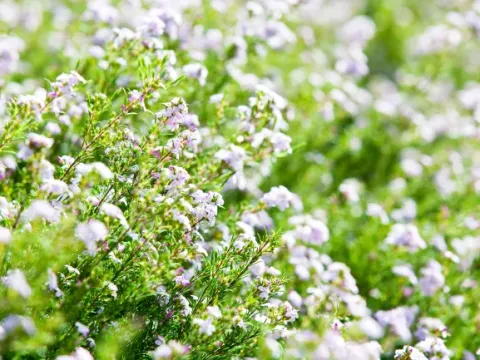
Botanical features include narrow, needle-like foliage resembling heather and small star-shaped flowers that often blanket the shrub completely during the blooming cycle. In terms of economic use, Diosma is utilized primarily as a high-end ornamental plant for landscaping, rock gardens, and border arrangements.
Agricultural management involves regular pruning immediately after the flowering season to maintain the desired shape and compactness. Fertilization with a low-phosphorus mineral blend during the spring growth phase is recommended to promote overall vigor and enhance flowering for the following year.
The primary threats to Diosma include fungal diseases triggered by excessive soil moisture, such as root rot. Maintaining a strict watering schedule is vital to prevent the decay of the sensitive root system.
Pests such as spider mites or scale insects can infest the plants, particularly when kept in greenhouse conditions or indoor environments with low humidity. Regular leaf inspections are essential for early detection.
The application of broad-spectrum insecticides is effective for managing most insect pests. To combat fungal infections, copper-based fungicides should be applied to both the foliage and the root zone for maximum coverage.
Disease prevention relies on maintaining good airflow around the shrub. Densely packed planting prevents proper ventilation, which significantly increases the susceptibility to powdery mildew during rainy or humid spells.
To ensure plant health, remove dry or damaged branches as soon as they are spotted. Sanitization and pruning reduce the presence of infection sites and stimulate the healthy regeneration of plant tissues.