
Diosma
Diosma L.
Diosma (Diosma L.) is a genus of evergreen shrubs belonging to the Rutaceae family. Native to the rocky, sandy habitats of South Africa, these plants have evolved to thrive in well-drained, nutrient-poor soil conditions.
What the section contains

Diosma
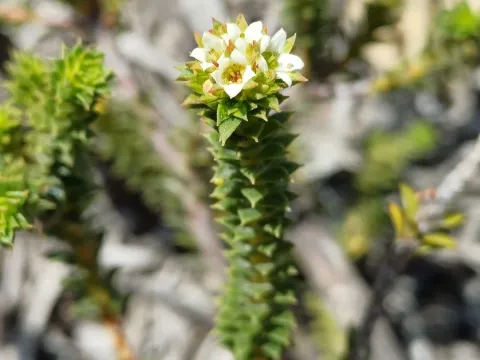
The botanical structure of the plant features small, needle-like leaves rich in aromatic oil glands, which release a distinct scent when brushed against or crushed. The shrub is renowned for its profuse flowering, producing dense clusters of star-shaped blossoms that range from white to various shades of pink.
Cultivation requires full sun exposure and protection from harsh, drying winds. Due to its limited frost tolerance, Diosma is typically cultivated as a container plant in temperate climates, needing a sheltered environment where temperatures remain consistently above 10 °C during the winter months.
Soil management is critical for the success of this crop. Diosma demands a light, acidic, and exceptionally well-draining potting mix. Because the root system is highly susceptible to rot, it is essential to allow the soil to dry slightly between watering intervals to maintain plant health.
In terms of usage, Diosma is primarily cultivated for ornamental purposes in gardens, balconies, and conservatories. Its delicate texture and pleasant fragrance make it a popular choice for high-end landscape design in regions with Mediterranean-like climatic conditions.
Root rot is the most prevalent disease, typically resulting from overwatering or inadequate drainage. Preventing this condition requires a balanced approach to moisture and the use of porous, coarse-textured growing media to ensure proper oxygenation of the roots.
Common pests include spider mites and scale insects, which tend to flourish in the arid conditions of indoor environments. Integrated pest management, including regular foliage inspections and the use of insecticidal soaps, is effective in managing these infestations before they spread.