
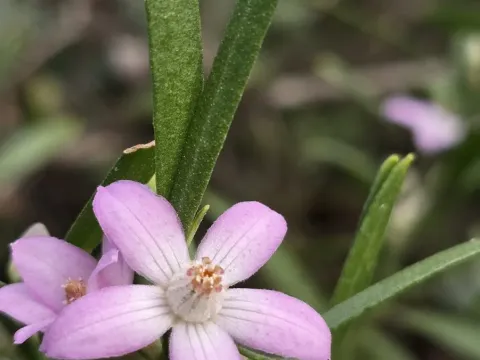
Eriostemon
Eriostemon
Eriostemon is a genus of evergreen shrubs belonging to the Rutaceae family, native to Australia. These plants are highly valued in the horticultural industry for their dense foliage, essential oil-rich leaves, and beautiful, star-shaped flowers that appear in late winter and spring.
What the section contains
Eriostemon
Cultivation requires specific climatic conditions, as most species are not frost-hardy. In temperate regions, they are typically grown in greenhouses or as container plants, requiring stable temperatures and protection from cold winds.
The ideal soil substrate for Eriostemon must be well-draining, sandy, or loamy, with a slightly acidic pH. Avoiding waterlogging is critical, so growers often mix potting soil with perlite or coarse sand to ensure optimal aeration for the root system.
Watering management is a key aspect of agronomy for this crop. It is essential to use soft or rainwater, as these plants are sensitive to calcium-rich water which can cause leaf yellowing and inhibit nutrient uptake.
During the active growing season, regular fertilization with a low-phosphorus, balanced fertilizer is recommended. Pruning should be performed after flowering to maintain the compact shape of the shrub and encourage new growth for the next season.
Eriostemon plants are primarily susceptible to root rot, which is usually caused by excessive moisture and poor soil aeration. Maintaining a strict irrigation schedule is the most effective way to prevent these fungal pathogens.
Common pests include spider mites and mealybugs, which thrive in the warm, dry air of indoor environments. Frequent inspections of the leaf undersides are necessary to detect and address infestations before they spread to other plants.
If pests are identified, horticultural soaps or targeted systemic insecticides should be applied according to the manufacturer's guidelines. Maintaining good air circulation is a critical component of pest control strategies in greenhouse environments.
Chlorosis is a frequent issue if the pH level of the soil deviates from the ideal acidic range. Regular soil testing and the addition of iron chelates can help correct nutrient deficiencies and restore the plant's healthy green appearance.
Overall, careful attention to sanitation and environment control significantly reduces the impact of biological threats, ensuring the longevity and productivity of the shrub.