
Crowea
Crowea
Crowea is a genus of evergreen shrubs belonging to the Rutaceae family. These plants are native to eastern Australia, typically found in open forests or rocky outcrops where they benefit from filtered sunlight.
What the section contains

Crowea
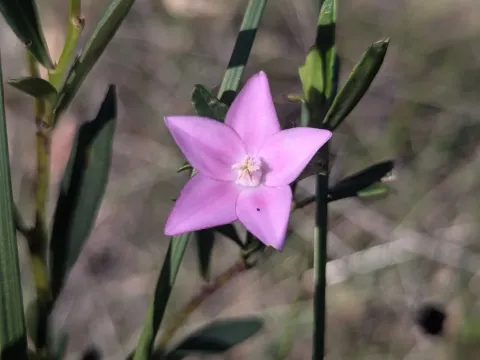
Botanically, they are known for their star-shaped flowers and aromatic, lance-shaped leaves. They are highly regarded for their long flowering period, which can extend over several months in favorable conditions.
Successful cultivation requires a well-draining, acidic, and gritty soil mix. They are particularly intolerant of "wet feet," meaning drainage must be prioritized to prevent root rot in any container or garden setting.
The ideal environment includes a cool to moderate climate with protection from harsh afternoon sun. When grown as a container plant, keep the soil moist but allow the top layer to dry out slightly between waterings.
Fertilization should be handled with care, as many plants in the Rutaceae family are sensitive to high levels of phosphorus. Use low-phosphorus, slow-release fertilizers specifically formulated for native Australian plants.
The most significant threat to Crowea is fungal infection, specifically Phytophthora root rot, triggered by waterlogged soil conditions and poor drainage.
Spider mites are common pests that thrive in the low-humidity environments often found in indoor settings or greenhouses during winter months.
Scale insects can attach to stems and leaves, causing leaf yellowing and stunted growth if the infestation is not managed early.
Integrated pest management should focus on maintaining adequate air circulation and keeping the foliage clean, supplemented by appropriate miticides if necessary.
Constant monitoring is advised, as these plants do not always show immediate signs of distress until the pest or disease pressure becomes severe.