
Chimonocalamus
Chimonocalamus
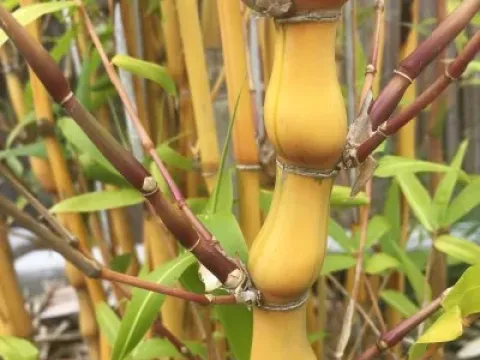
Chimonocalamus is a genus of perennial woody bamboos belonging to the Poaceae family. These plants are known for their distinct culms, which often feature prominent nodes and a clustered growth habit, making them structurally sound and visually attractive.
What the section contains
Chimonocalamus
The genus originates from the mountainous regions of Southeast Asia, specifically spanning areas in China, Myanmar, and northern parts of Vietnam. They thrive in environments characterized by cool mountain air, high humidity, and consistent precipitation levels throughout the year.
Cultivation requires soils that are rich in organic matter and possess excellent drainage capabilities. While they enjoy moisture, they do not tolerate waterlogging; therefore, adding compost or peat to the planting hole is recommended to improve the soil structure.
Regarding climate, Chimonocalamus species perform best in subtropical conditions. They require protection from desiccating winds and intense afternoon heat. In regions with significant temperature fluctuations, mulching the base of the plants is essential for root protection.
Maintenance involves routine watering during dry spells and applying balanced fertilizers during the spring growth flush. Proper spacing during planting is vital, as it ensures adequate airflow through the culms, preventing the microclimate from becoming overly damp.
Like many bamboo species, Chimonocalamus can be susceptible to certain pests, including bamboo mites and aphids. Regular monitoring of the underside of leaves is necessary to catch infestations early before they lead to leaf discoloration or loss of vigor.
Fungal diseases such as rust or leaf spot may occur if the plants are situated in areas with poor circulation and excessive canopy moisture. Managing these threats involves proper pruning of dead or diseased culms to increase ventilation within the cluster.
Root rot is the most common physiological threat, often caused by poor drainage or over-irrigation. Ensuring the planting site is elevated or properly graded can mitigate this issue, allowing the roots to access necessary moisture without becoming waterlogged.
Invasive weeds can compete with young bamboo for nutrients and water. Establishing a strict weed-management program during the first two years of growth is crucial for the successful establishment of a productive and healthy stand.
Biological control methods are preferred over chemical treatments in bamboo plantations to maintain the ecological balance. Introducing beneficial insects or using organic neem-based sprays can effectively manage pest populations without damaging the plant health.
The harvesting of Chimonocalamus is typically performed manually using sharp pruning saws. Selectively removing culms that are three to five years old ensures that the plant remains vigorous while providing the highest quality material for structural applications.
Post-harvest treatment is a critical step in the value chain. Culms should be cleaned of debris and treated to remove sugars and starches that attract borers and insects, which significantly increases the shelf life and quality of the final product.
Drying is usually conducted in well-ventilated sheds. Controlled drying prevents the bamboo from splitting and helps in stabilizing the material, which is particularly important for artisans crafting furniture or precision structural components.
Sustainability is central to Chimonocalamus harvesting. By harvesting only a fraction of the mature culms each year, producers can maintain a continuous yield while preserving the long-term health and growth potential of the plantation.
Uses include high-end construction materials, fine handicrafts, and garden landscaping structures. The unique visual appeal of Chimonocalamus culms makes them highly sought after by designers looking for materials with natural texture and exceptional durability.