
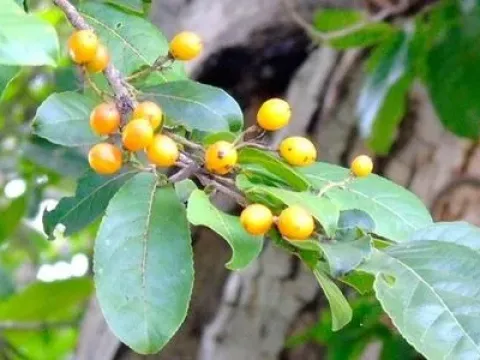
Casearia
Casearia
Casearia is a significant genus of shrubs and trees belonging to the Salicaceae family, naturally occurring in tropical and subtropical regions across the Americas, Asia, and Africa.
What the section contains
 Casearia aculeata
Casearia aculeata
Casearia aculeata
 Casearia arborea
Casearia arborea
Casearia arborea
 Casearia battiscombei
Casearia battiscombei
Casearia battiscombei
 Casearia calodendron
Casearia coriacea
Casearia coriacea
Casearia calodendron
Casearia calodendron
Casearia coriacea
Casearia coriacea
 Casearia dallachyi
Casearia dallachyi
Casearia dallachyi
 Casearia decandra
Casearia engleri
Casearia engleri
Casearia decandra
Casearia decandra
Casearia engleri
Casearia engleri
 Casearia glomerata
Casearia glomerata
Casearia glomerata
 Casearia gossypiosperma
Casearia gossypiosperma
Casearia gossypiosperma
 Casearia graveolens
Casearia graveolens
Casearia graveolens
 Casearia guianensis
Casearia guianensis
Casearia guianensis
 Casearia hirsuta
Casearia hirsuta
Casearia hirsuta
 Casearia kurzii
Casearia kurzii
Casearia kurzii
 Casearia laetioides
Casearia lobbiana
Casearia lobbiana
Casearia laetioides
Casearia laetioides
Casearia lobbiana
Casearia lobbiana
 Casearia praecox
Casearia spinescens
Casearia spinescens
Casearia praecox
Casearia praecox
Casearia spinescens
Casearia spinescens
 Casearia sylvestris
Casearia sylvestris
Casearia sylvestris
 Casearia tomentosa
Casearia tomentosa
Casearia tomentosa
 Casearia tremula
Casearia vareca
Casearia vareca
Casearia tremula
Casearia tremula
Casearia vareca
Casearia vareca
 Shining Casearia
Casearia nitida
Shining Casearia
Casearia nitida
Casearia
These plants thrive in warm, humid climates and require well-draining, nutrient-rich soil to support their vigorous vegetative growth throughout the year.
In their native habitat, they are often found in forest understories, suggesting that they perform best in light shade or filtered sunlight rather than direct, harsh solar exposure.
The botanical identification of Casearia is based on their simple, alternate leaves which usually contain pellucid dots, and their small, apetalous flowers organized in axillary clusters.
The economic role of the genus includes timber utilization, ornamental landscape gardening in tropical zones, and traditional medicinal applications due to specialized chemical compounds.
The primary agricultural risks to Casearia cultivation involve root rot pathogens that proliferate in waterlogged conditions or poorly aerated soil substrates.
Insects such as leaf-eating caterpillars and aphids pose a regular threat to foliage health, often necessitating integrated pest management strategies.
Environmental stress caused by sudden temperature drops or prolonged drought significantly impacts the physiological processes of these tropical trees.
Fungal infections, particularly leaf spots and mildews, are common in environments where air circulation is insufficient for maintaining plant hygiene.
Successful management of the culture requires monitoring for pest colonization and maintaining consistent soil moisture levels to ensure the plant's natural resistance.