
Casearia praecox
Casearia praecox
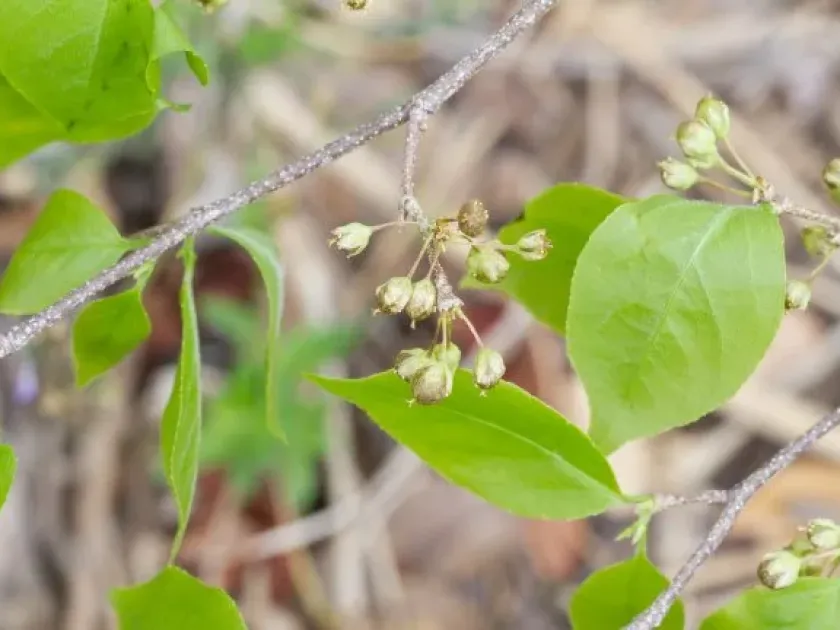
Description
Growing requirements
Casearia praecox is a woody plant belonging to the Salicaceae family. It is native to the tropical and subtropical regions of South America, where it thrives in specific ecological conditions.
The plant requires well-drained, fertile soil to ensure healthy root development. It is sensitive to waterlogging, which can rapidly damage its root system; therefore, proper soil preparation is essential before planting.
Climate requirements for this species are centered on constant warmth and high humidity. It does not tolerate frost and grows most efficiently in environments where temperatures remain stable throughout the year.
Botanically, it is recognized for its dense foliage and unique branching pattern. The leaves are typically evergreen or semi-deciduous, depending on the specific microclimate and the intensity of the dry season.
Economically, the tree is primarily valued for its wood quality. It is also increasingly used in reforestation projects within its natural range to restore soil stability and promote biodiversity.
Main diseases and pests
Root rot caused by fungal pathogens is the primary threat to Casearia praecox, usually resulting from poor soil drainage. Ensuring adequate drainage systems is the most effective preventative measure.
Common pests include mites and various types of aphids that target fresh, young shoots. Regular monitoring of the canopy is recommended to identify infestations before they become widespread.
Nutrient deficiencies, particularly involving nitrogen and magnesium, can lead to foliage yellowing. Regular soil testing helps maintain the appropriate nutritional balance for optimal growth.
Competition from aggressive invasive weeds can suppress the growth rate of young saplings. Clearing the area around the base of the trunk is a crucial maintenance activity during the early years.
During humid seasons, fungal leaf spots may appear on older foliage. Applying organic fungicides and maintaining spacing between trees helps reduce the transmission of pathogens.