
Casearia arborea
Casearia arborea
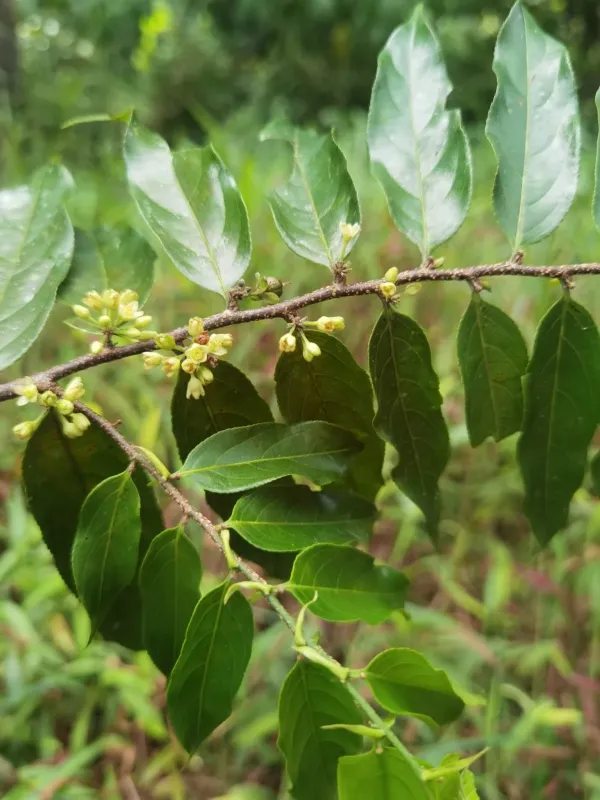
Description
Growing requirements
Casearia arborea is a robust evergreen tree belonging to the Salicaceae family. It is native to the lush tropical rainforests of South America, primarily flourishing in environments characterized by high humidity and consistent tropical temperatures.
The cultivation of this species requires deep, fertile, and well-drained soils. In its natural habitat, it demonstrates an ability to adapt to varying levels of soil acidity, although it performs best in soils with a slightly acidic profile to optimize nutrient uptake.
Climate is the most critical factor for successful growth. The plant demands a constant ambient temperature, as it is not cold-hardy. Furthermore, it thrives in environments with high annual rainfall, necessitating careful site selection to avoid arid locations.
The tree shows remarkable shade tolerance during its sapling stage, which is a common adaptation for understory species in tropical forests. As it matures, increasing exposure to filtered sunlight is beneficial for promoting healthy canopy development.
Agricultural management should focus on maintaining a humid microclimate. In nursery settings, providing adequate spacing between trees is vital to ensure proper airflow, which prevents the build-up of excess moisture and reduces the risk of fungal proliferation.
Yield
Casearia arborea holds significant economic potential in the pharmacological sector. The plant is well-known for its secondary metabolites, particularly diterpenes known as casearins, which exhibit potent anti-tumor and anti-inflammatory properties.
Beyond its medical applications, the species serves an important ecological role in tropical forest restoration. Its rapid growth and ability to thrive in degraded soils make it an excellent candidate for reforestation projects intended to recover biodiversity.
The wood of this tree is noted for its durability and structural density. While not typically harvested on an industrial scale, it is locally prized for artisanal craftsmanship and the construction of small-scale agricultural tools that require long-term durability.
The current harvesting of leaves and bark is largely managed through sustainable extraction practices. Research is ongoing to develop standardized cultivation methods that could allow for consistent yields of high-quality medicinal extract for laboratory and clinical use.
Future agricultural research should prioritize selecting genotypes with higher concentrations of active medicinal compounds. Such optimization could stabilize the production of high-value bio-materials for the global pharmaceutical industry.
Main diseases and pests
The primary threats to the health of Casearia arborea include various fungal pathogens that flourish in high-humidity tropical conditions. These pathogens often target the foliage, resulting in necrotic lesions that can reduce the plant's overall photosynthetic capacity.
Insect pests, including defoliating caterpillars and leaf-mining beetles, pose a recurring challenge for plantation management. These pests can rapidly affect plant vigor if not controlled by periodic scouting and integrated pest management techniques.
Effective management includes the application of biological control agents to maintain pest populations below the economic injury level. This approach protects the integrity of the ecosystem while ensuring the health and productivity of the cultivated trees.
Improper canopy management can create stagnant air pockets, which significantly increase the risk of disease. Pruning is recommended as a standard maintenance practice to improve airflow, reduce moisture accumulation, and remove infected plant debris.
Environmental stress, particularly soil nutrient depletion or prolonged water stagnation, acts as a primary stressor that makes the tree vulnerable to secondary infections. Maintaining soil health and drainage is paramount to preventing these issues.