
Casearia dallachyi
Casearia dallachyi
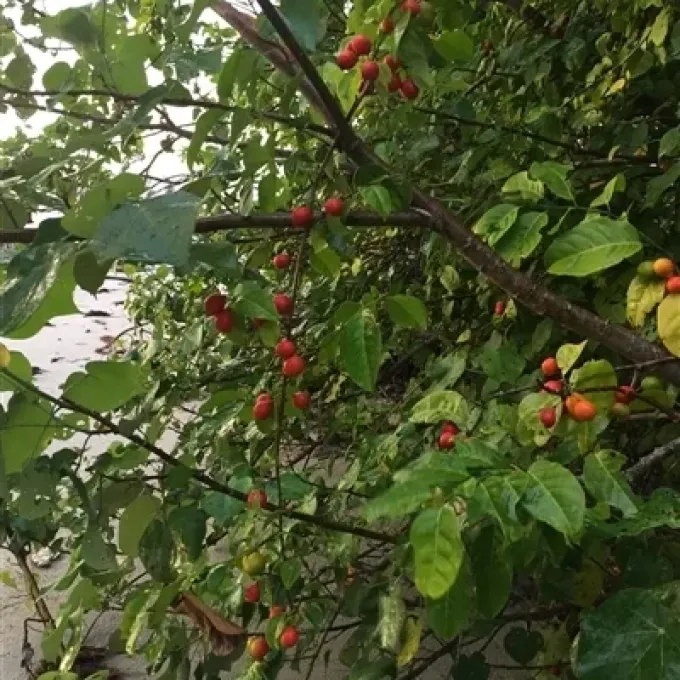
Description
Growing requirements
Casearia dallachyi is a member of the Salicaceae family, an evergreen shrub or small tree. In its natural habitat, it can reach heights of several meters, characterized by glossy foliage and a dense, branching habit.
The species is native to the rainforest regions of North-Eastern Australia. It thrives in high-humidity environments and is well-adapted to the stable temperatures of tropical and subtropical coastal zones.
For successful cultivation, the plant requires well-drained, nutrient-rich soil with a neutral to slightly acidic pH. It is crucial to select a site that offers protection from harsh, drying winds that can cause leaf desiccation.
Casearia dallachyi prefers bright, filtered sunlight. While it can tolerate partial shade, full exposure to intense, direct tropical sun without sufficient moisture can lead to stress and reduced vigor.
In terms of care, consistent soil moisture is vital. The root system is sensitive to waterlogging, so a high-quality drainage layer is essential, especially when planting in containers or areas with heavy clay soils.
Yield
The plant is primarily valued for its ornamental appeal, featuring delicate, fragrant flowers and fleshy fruits. While the fruits serve as a food source for local birds and wildlife, they are not currently a major commercial crop.
Productivity is generally linked to the health of the plant and the availability of resources. Under optimal conditions, Casearia dallachyi exhibits a steady growth rate, with mature specimens producing abundant fruit clusters.
In landscaping, this species is used for hedge formation or as a focal specimen in tropical garden designs. Its ability to tolerate pruning makes it versatile for controlled growth in confined spaces.
Biologically, the plant plays a role in supporting local ecosystem health, attracting pollinators during the flowering season. This ecological utility is one of its primary functions in native restoration projects.
For gardeners looking to maximize the ornamental display, regular application of balanced, slow-release fertilizers during the growing season is recommended to support robust foliage development.
Main diseases and pests
The main threats to Casearia dallachyi include fungal leaf spots and powdery mildew, which thrive in conditions of poor air circulation and high humidity around the canopy.
Pests such as scale insects and mealybugs are significant problems in indoor or greenhouse settings. Regular inspection and the use of horticultural oils are effective preventative and control measures.
Root rot is a critical risk factor caused by overwatering or poor drainage. Once established, this condition is difficult to treat, often requiring the removal of the affected plant to save others in the collection.
Spider mites can become a nuisance during periods of low humidity, causing fine webbing and yellowing of the leaves. Maintaining proper air moisture levels is the most effective way to prevent mite infestations.
Viral infections transmitted by sap-sucking insects can severely affect the plant's growth. Strict sanitary practices, including cleaning pruning tools between cuts, are essential to maintain a healthy plant collection.