
Casearia decandra
Casearia decandra
Description
Growing requirements
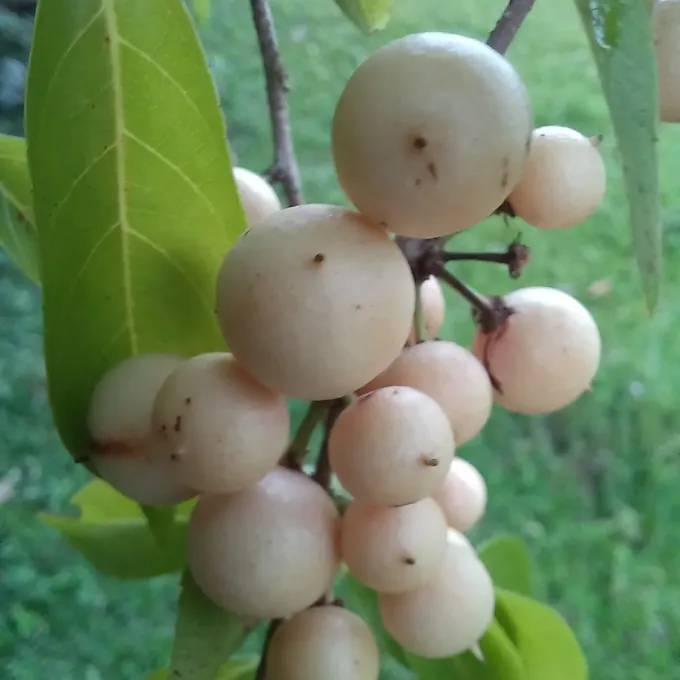
Casearia decandra is a notable woody plant belonging to the Salicaceae family, known for its presence in tropical ecosystems across South and Central America. This species typically grows as a medium-sized tree or a robust shrub, serving as an important component of the tropical understory where it contributes to biodiversity and forest structure.
The plant thrives in tropical and subtropical climates, requiring consistent temperatures and protection from frost. It prefers high humidity and thrives in areas with abundant rainfall. Ideal light conditions involve partial shade, which mimics the environment under the canopy of larger rainforest trees, protecting the leaves from scorching direct sunlight.
Soil requirements for Casearia decandra center on excellent drainage and a high organic matter content. While the plant can adapt to various soil types, it performs best in well-aerated sandy loam. Ensuring that the site is not prone to waterlogging is essential to prevent root rot, which is the most common cause of decline in poorly drained environments.
Agricultural management primarily focuses on early-stage establishment. During the first few years, regular watering is necessary to ensure the plant survives dry spells. Once established, the species is relatively hardy. Periodic pruning is beneficial to remove dead wood and encourage a denser, more attractive crown formation, which is preferred for ornamental applications.
Economically, Casearia decandra is valued for its potential in landscaping and restoration projects in its native range. Its wood is occasionally used in rural carpentry for its durability. Research into its phytochemical properties continues, as various parts of the tree have been explored for traditional uses and potential bioactive compounds.
Main diseases and pests
Fungal pathogens represent the primary health concern, particularly in high-humidity conditions where moisture persists on foliage. Leaf spots and mildew can compromise the plant's aesthetic value and vigor. Implementing proper spacing between individual plants and removing infected debris are key preventive measures for maintaining a healthy plantation.
Insect pests, including scale insects and mites, frequently target the foliage, causing chlorosis and premature leaf drop. Integrated pest management strategies, such as introducing predatory mites or applying horticultural oils, are effective for maintaining plant health without the excessive use of harsh synthetic chemicals.