
Casearia gossypiosperma
Casearia gossypiosperma
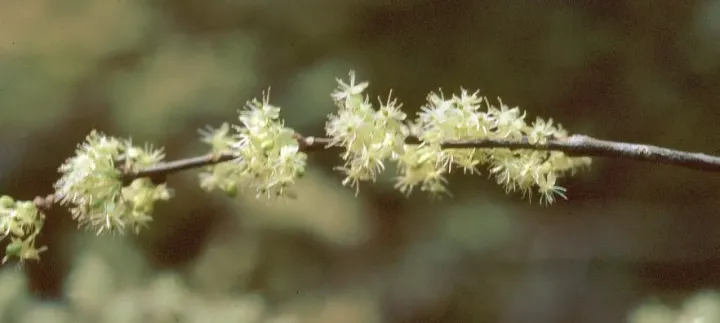
Description
Growing requirements
Casearia gossypiosperma is a species of flowering plant in the Salicaceae family, native to the tropical regions of South America. It typically grows as an understory tree or shrub, contributing significantly to the vertical structure and biodiversity of its native forest habitat.
The plant thrives in warm, humid climates and prefers fertile, well-drained soils rich in organic matter. Its adaptability allows it to perform well in various forest types, though it reaches maximum growth potential under conditions of consistent moisture and filtered sunlight.
Botanically, this tree is distinguished by its alternate leaves, often featuring translucent glandular dots. The reproductive structure includes clusters of small, inconspicuous flowers, followed by dry capsules that split open to release seeds adorned with cotton-like hairs.
Cultivation practices require careful selection of sites that mimic natural forest conditions. Adequate spacing is essential to ensure proper ventilation and light penetration, which helps in reducing the humidity-related stress on the developing saplings.
Economically, the wood of Casearia gossypiosperma is utilized by local communities for small-scale construction and artisanal woodwork. It is also increasingly recognized for its role in sustainable agroforestry systems and reforestation initiatives.
Main diseases and pests
The primary threats to Casearia gossypiosperma include fungal pathogens, particularly those affecting the root system in waterlogged environments. Poor soil drainage remains the most significant cause of premature decline in managed plantation settings.
Insect pests, such as borers and defoliators, can impact the vigor of the trees, especially if the plants are already stressed by environmental factors. Regular scouting for early signs of infestation is crucial for effective management.
Competition from invasive plant species poses a severe threat during the establishment phase. Establishing a clear maintenance schedule for weed control helps the trees to secure necessary soil nutrients and water resources efficiently.
Climate-related stresses, including erratic rainfall patterns, can disrupt the plant's natural life cycle. Implementing mulching techniques can assist in maintaining soil moisture levels and protecting the root zone from temperature fluctuations.
Sanitation practices, such as the removal of dead or diseased woody tissue, are recommended to prevent the spread of infections. Integrated pest management strategies are preferred to maintain the ecological balance within the planting area.