
Casearia tremula
Casearia tremula
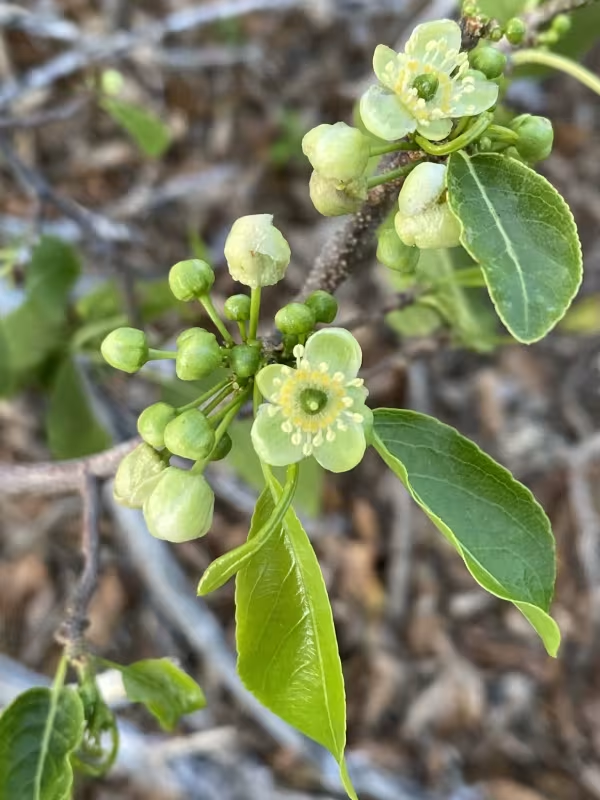
Description
Growing requirements
Casearia tremula is a perennial woody plant belonging to the Salicaceae family. Native to the tropical regions of Central and South America, this species is typically found in humid forest environments where it thrives in the understory layer.
Climate requirements for this culture are strict, as it requires a tropical environment with temperatures consistently between +22°C and +28°C. It has very low tolerance for cold weather, and any frost can cause severe physiological damage or the death of the plant.
When it comes to soil, Casearia tremula demands well-drained, fertile substrates that are rich in organic matter. A slightly acidic to neutral soil pH is ideal for nutrient uptake, and the medium must be aerated to prevent the suffocation of the root system.
Light management is crucial, as the plant prefers bright, indirect sunlight. In indoor or greenhouse settings, providing consistent humidity is essential, as this species evolved in high-moisture environments where dehydration is rarely a factor during the growth cycle.
The agronomic practice for this plant includes a balanced fertilization schedule during the active growing season. Using water-soluble fertilizers with a good micro-nutrient balance helps in maintaining healthy foliage and robust stem development.
Main diseases and pests
Root rot caused by fungal pathogens is the most common threat to Casearia tremula, particularly in instances of overwatering or poor soil drainage. Maintaining a proper watering frequency is the best preventative measure for root health.
Common pests that may affect this species include spider mites and scale insects. Spider mites tend to proliferate in dry conditions, while scale insects can hide along the stems, making them difficult to detect until the plant starts showing signs of yellowing.
Mealybugs can also attack the tender tips of the plant, leading to stunted growth and deformed leaves. Integrated pest management, including the use of neem oil or targeted insecticidal soaps, is often effective for early infestations.
Leaf spots, often caused by bacterial or fungal agents, may occur if the foliage remains wet for too long without adequate air circulation. Pruning away affected branches and improving ventilation helps mitigate these symptoms quickly.
Regular monitoring of the plant's health is recommended to ensure that no infestations become established. Maintaining optimal environmental conditions significantly reduces the plant's susceptibility to these common horticultural pests and diseases.