
Sikkim maple
Acer sikkimense
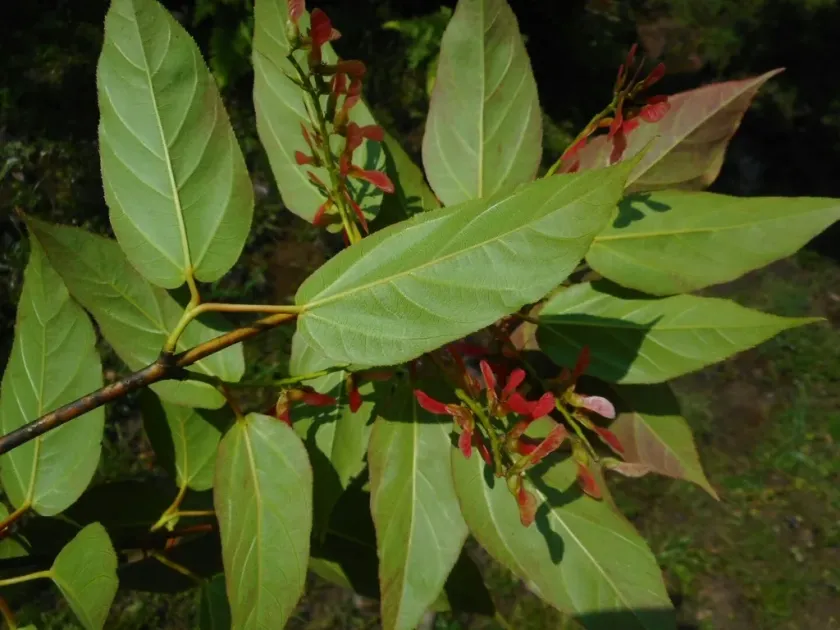
Description
Sowing dates
Propagation of the Sikkim maple is most effectively achieved through seed germination. Seeds should ideally be collected once they are fully ripe in the autumn and sown immediately into well-draining soil to undergo natural cold stratification throughout the winter months, which is essential for uniform spring emergence.
For spring sowing, seeds must be subjected to artificial cold stratification. Place the seeds in a moist medium at temperatures between 1°C and 5°C for approximately three to four months. This mimics the environmental cues required to break deep seed dormancy and ensures a successful germination rate.
Use a light, nutrient-rich soil mix, incorporating peat or compost with coarse sand to facilitate drainage. Plant the seeds at a depth of about 1–2 centimeters. Keep the growing medium consistently moist, but avoid waterlogging, which can cause the delicate seeds to rot before they sprout.
Germination can be slow and irregular, sometimes spanning several weeks. During this period, keep the seed trays in a cool, protected environment with indirect light. Once the seedlings emerge, monitor them closely to ensure they are not drying out or suffering from fungal damping-off.
Seedlings are best kept in pots or a nursery bed for their first two years of development. This allows for a robust root system to establish before transplanting the young tree into its permanent location in the landscape, ideally during the dormant season.
Growing requirements
The Sikkim maple (Acer sikkimense) is a member of the Sapindaceae family, native to the high-altitude forests of the Himalayas. Consequently, it thrives in cool, temperate conditions and requires a location that provides protection from extreme heat and drying winds during the summer.
The species prefers deep, moist, and well-drained soil that is rich in organic matter. A slightly acidic to neutral soil pH is ideal for promoting optimal nutrient uptake and maintaining the health of the tree's fine root structure.
Regarding light, this maple performs best in dappled shade or a position where it receives morning sun but is protected from the harsh afternoon heat. In regions with very hot summers, it is crucial to provide a shaded environment to prevent leaf scorch and heat stress.
Adequate soil moisture is essential for this species. Apply a thick layer of organic mulch, such as pine needles or wood chips, around the base of the tree. This helps retain soil moisture, moderates soil temperature, and mimics the forest floor conditions the tree is adapted to.
While the Sikkim maple appreciates regular watering, it is intolerant of waterlogged conditions. Ensure that the planting site has excellent drainage, particularly in clay-heavy soils, to prevent crown and root rot, which are common issues when soil aeration is insufficient.
Main diseases and pests
Verticillium wilt is a significant threat to many maple species, including the Sikkim maple. This soil-borne fungal disease blocks the tree's vascular system, causing branches to die back suddenly. There is no known chemical cure, so prevention through healthy soil management is paramount.
Leaf spot diseases, caused by various fungi, may affect the tree during humid and wet summers. While rarely fatal, these infections can significantly reduce the ornamental value of the foliage. Cleaning up fallen leaves each autumn helps reduce the inoculum levels for the following season.
Pests such as aphids and scale insects are common visitors that feed on the sap of young stems and leaves. These infestations can weaken the tree and lead to the development of sooty mold, a dark fungus that covers leaves and interferes with photosynthesis.
In winter, bark damage from rodents or wildlife can be a serious issue for young trees. Wrapping the trunk with protective mesh or guards can prevent physical damage that would otherwise serve as an entry point for diseases or wood-boring insects.
Integrated pest management is recommended to maintain the tree's health. This includes regular monitoring, the use of dormant oil sprays in early spring to control overwintering pests, and ensuring the tree is well-watered and fertilized to maintain strong natural defenses.