
Casearia graveolens
Casearia graveolens
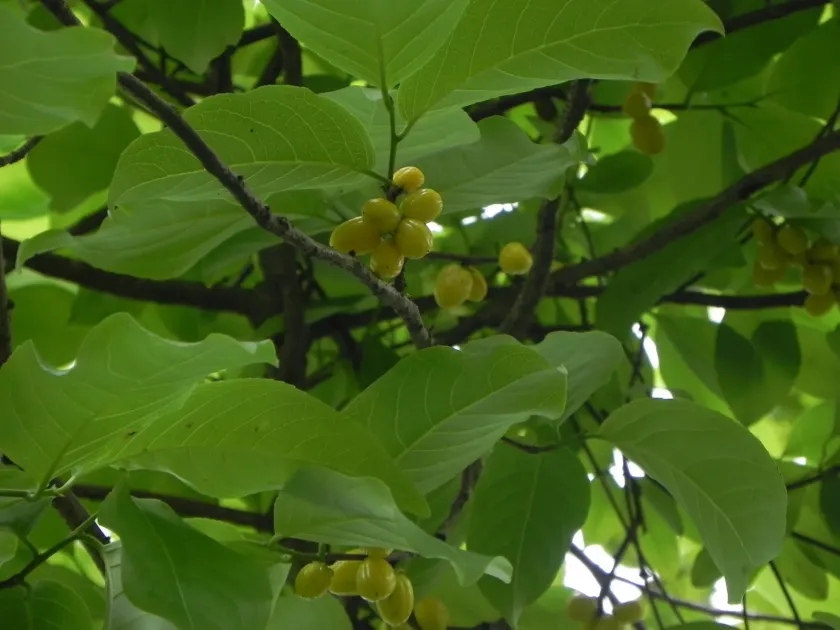
Description
Growing requirements
Casearia graveolens is a deciduous tree species belonging to the Salicaceae family. It is recognized for its woody structure and its capacity to thrive in diverse tropical forest environments across the Asian continent, particularly in the Himalayan foothills.
The origin of this species is traced to the tropical and subtropical regions of Southeast Asia. It is typically found in primary and secondary forests where it functions as part of the sub-canopy layer, demonstrating high adaptability to forest conditions.
The climate requirements for this plant are centered on maintaining a stable tropical environment. It thrives in high humidity and requires consistent warm temperatures, making it a sensitive species to extreme temperature drops and frost conditions.
Regarding soil, Casearia graveolens prefers nutrient-rich, well-draining soils. While it can survive in various soil types, loamy textures that allow for healthy root respiration and moisture retention without stagnation are considered the most appropriate for cultivation.
In terms of practical use, the plant is valued for its unique botanical profile. Beyond its ecological role, its wood is utilized in local traditional construction, and various parts of the plant are sometimes researched for potential pharmacological properties.
Main diseases and pests
The plant can be susceptible to various defoliating insects that prey on its soft foliage during the monsoon or wet seasons. Monitoring the canopy is essential to manage these populations before they cause structural damage.
Pathogenic fungi present a significant risk, especially in environments with poor air circulation. Leaf spot and rust diseases can occur if humidity levels remain high for extended periods without corresponding ventilation.
Root rot is a critical threat often associated with poor site drainage. If the substrate remains saturated for too long, the root systems may decay, eventually leading to the decline of the entire tree specimen.
In controlled nursery environments, sap-sucking insects like aphids or spider mites can become an issue. Preventive measures such as regular cleaning and maintaining optimal spacing are standard practices for these plants.
- Ensure optimal drainage.
- Promote air circulation.
- Apply integrated pest management.