
Casearia tomentosa
Casearia tomentosa
Description
Growing requirements
Casearia tomentosa is a tree species belonging to the Salicaceae family. It is native to the tropical and subtropical regions of India, the Himalayas, and Southeast Asia, where it thrives in diverse ecosystems.
The plant grows best in well-drained, sandy or loamy soils. It demonstrates significant tolerance to varied environmental conditions, including moderate drought, once the root system is established in the substrate.
Climatic requirements are centered around warm temperatures with adequate rainfall. While it can withstand periods of dryness, consistent sunlight is essential for the tree's vigorous physiological development and structural growth.
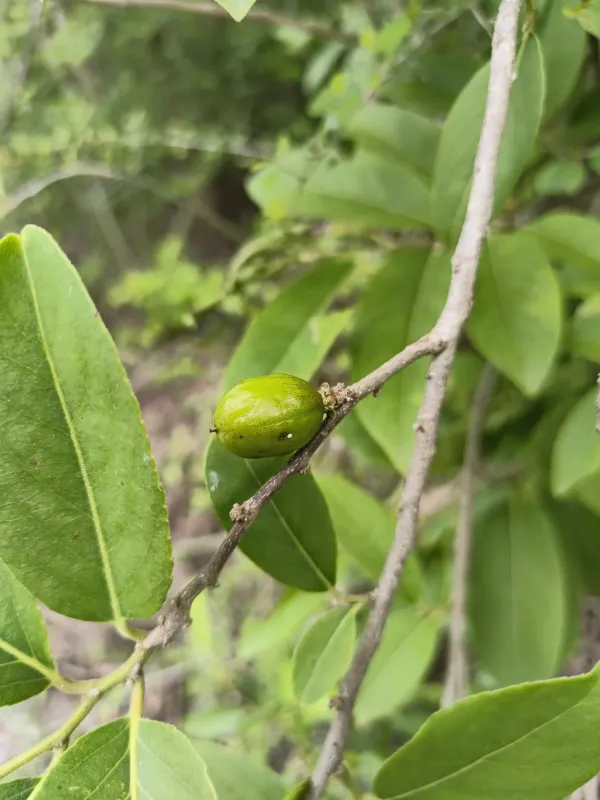
Botanically, it is a small to medium-sized tree characterized by dense, tomentose (hairy) leaves and small flowers. Its architectural features make it well-suited for agroforestry practices in regions where erosion control is required.
Economic applications are broad, ranging from the use of its wood in rural construction to the harvesting of its extracts for medicinal research, as the bark and leaves contain compounds with various biological activities.
Main diseases and pests
Fungal pathogens associated with soil moisture are the primary threat to Casearia tomentosa. Proper site preparation and drainage installation are critical to prevent root system decay in plantation areas.
Leaf-feeding insects are common pests that can affect photosynthetic efficiency. Integrated pest management strategies, including monitoring and biological control, are recommended to maintain tree health.
Wood-boring beetles can pose a risk to the structural integrity of mature trees. Regular inspections of the trunk for boreholes are a necessary part of the maintenance routine for healthy stands.
Nutrient deficiency, specifically of magnesium or iron, may manifest as leaf chlorosis. Soil testing and the application of balanced organic fertilizers ensure the long-term vitality of the crops.
Environmental stress, such as extreme salinity or soil compaction, can impede growth. Maintaining optimal soil structure through appropriate agricultural practices is key to minimizing these developmental threats.