
Casearia glomerata
Casearia glomerata
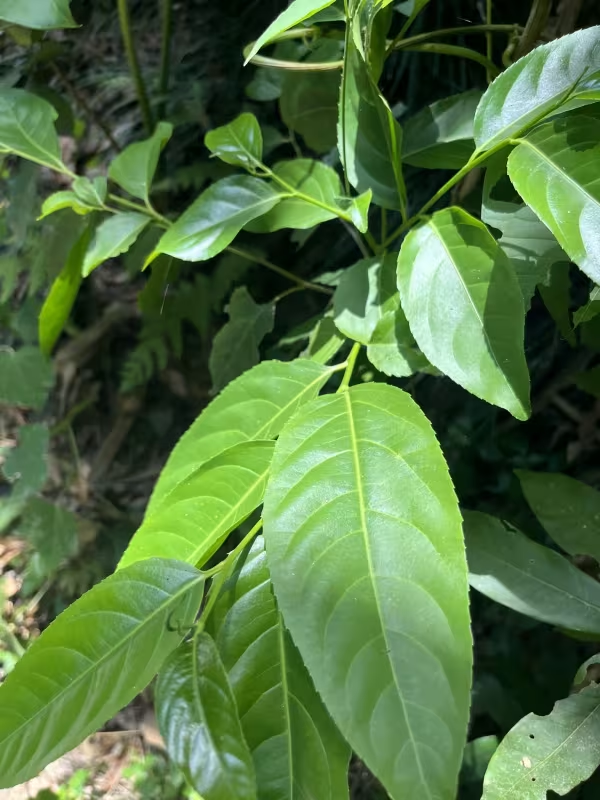
Description
Growing requirements
Casearia glomerata is a tree species belonging to the Salicaceae family. It is native to tropical forests in South America, where it thrives under the canopy of more robust vegetation, indicating a preference for stable environmental conditions.
The plant requires a warm, humid climate to reach its full development potential. Temperatures should remain within the range of 22 to 28 degrees Celsius, as the species is highly sensitive to cold weather and frost, which can cause severe cellular damage.
Soil requirements for optimal growth involve well-drained, fertile substrates rich in organic matter. While the plant can adapt to various soil types, heavy clay soils must be amended to ensure proper drainage and root aeration.
Regarding light, this species prefers filtered or diffused sunlight. Intense, direct sun exposure during the middle of the day can stress the plant and lead to leaf scorch, thus requiring careful site selection in plantation settings.
Cultural practices include consistent watering that keeps the soil moist but not waterlogged. Mulching the base of the plant is recommended to regulate soil temperature and retain moisture during the hotter months.
Yield
The economic value of Casearia glomerata is primarily focused on its pharmacological potential. Research indicates that various parts of the plant, especially the leaves and bark, possess secondary metabolites that are studied for their therapeutic properties.
While not a major timber source, the wood is utilized on a local scale for small wooden crafts. The wood quality is described as moderate in density, suitable for specialized artisanal applications rather than massive industrial use.
In managed plantations, the yield of plant biomass is optimized through systematic pruning. This technique encourages lateral branch growth and increases the production of foliage, which serves as the primary source for extract production.
Harvesting is typically done manually to preserve the integrity of the branches and ensure the plant remains productive for several seasons. The timing of the harvest is crucial to maximize the concentration of active chemical compounds.
The species also holds value as a botanical curiosity in tropical greenhouse collections due to its distinct clustering habit of flowers and fruits, which enhances its aesthetic appeal.
Main diseases and pests
The plant is susceptible to various fungal pathogens that thrive in high humidity. These infections often manifest as leaf spots or mold growth, which can significantly reduce the quality of the harvested medicinal material.
Insect pests, such as aphids and spider mites, are common threats, especially when the plant is kept under greenhouse conditions. These pests feed on the sap of young shoots, leading to stunted growth and leaf deformation.
Root rot, caused by various soil-borne oomycetes, is a major concern when irrigation management is poor. Prevention involves the use of sterile, well-draining potting mixes and avoiding excessive moisture in the root zone.
Integrated pest management (IPM) is strongly recommended for this species. This includes biological controls, such as introducing predatory mites or utilizing neem-based oils to mitigate pest populations without damaging the plant.
Regular sanitation of the growing area is essential. Removing fallen leaves and infected plant parts helps break the disease cycle and prevents the spread of pathogens throughout the nursery or plantation.