
Casearia sylvestris
Casearia sylvestris
Description
Growing requirements
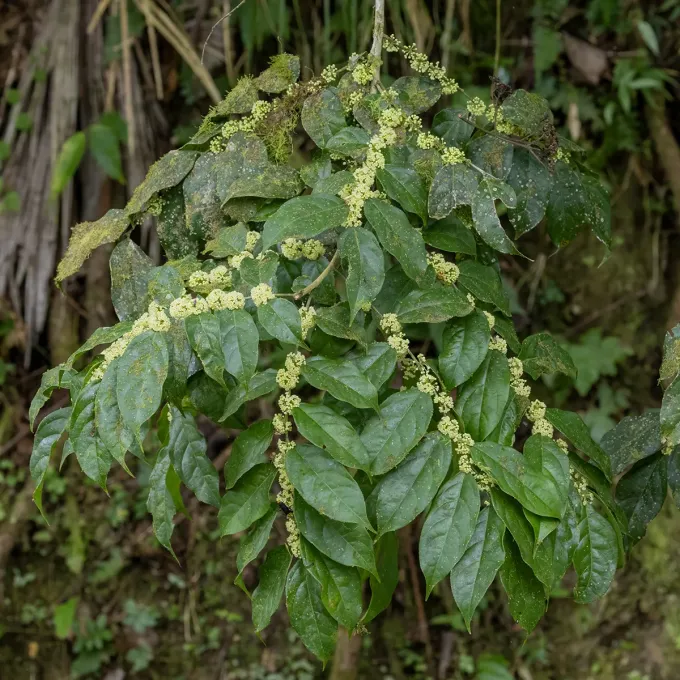
Casearia sylvestris is a versatile evergreen shrub or small tree belonging to the Salicaceae family. Widely recognized for its ecological significance in the Neotropics, this plant typically thrives in diverse environments ranging from dense forest understories to more open savanna-like landscapes.
Botanically, the species is distinguished by its alternate, lanceolate leaves and small, fragrant white-to-yellowish flowers. Its growth habit is generally slow to moderate, making it a sustainable choice for long-term cultivation when managed with proper spacing and pruning techniques.
The crop demands a tropical or subtropical climate characterized by consistent warmth and adequate rainfall. While it shows some resilience to variable conditions, the highest biomass yield is achieved in areas with deep, well-draining loamy soils and protection from extreme wind exposure.
Agrotechnical management involves maintaining soil fertility through organic amendments and ensuring a neutral pH range. Seedlings are particularly sensitive during their first year and require consistent irrigation to establish a robust and healthy root system.
Harvesting for medicinal purposes is the primary commercial driver, as the leaves contain specific terpenoids known for their potent anti-inflammatory and anti-ulcer properties. Sustainable harvesting practices involve selective leaf picking to allow the shrub to recover its canopy rapidly.
Main diseases and pests
Fungal pathogens represent the most significant threat to Casearia sylvestris, especially in regions with high humidity levels. Rust and leaf spot diseases are common, often appearing when air circulation within the canopy is insufficient, necessitating periodic thinning.
Insect pests, particularly scale insects and aphids, can cause significant damage to young shoots and leaves. Integrated pest management, focusing on biological controls such as predatory mites or neem-based oils, is highly recommended to maintain high standards for medicinal quality.
Root rot caused by Phytophthora species is a major concern if the soil drainage is inadequate. Ensuring that the planting site has been properly prepared with appropriate drainage channels is essential to prevent water stagnation around the base of the plant.
Weed control in the early growth stages is crucial, as the plant can be easily outcompeted by invasive grasses. Using organic mulch around the root zone helps manage weed growth while simultaneously retaining soil moisture and adding organic matter back to the ground.
Monitoring the plants for nutritional deficiencies is also part of an effective threat prevention program. Yellowing or chlorotic leaves often signal that the soil is depleted of micronutrients, requiring targeted fertilization to bolster the plant's natural resilience against environmental stressors.