
Casearia hirsuta
Casearia hirsuta
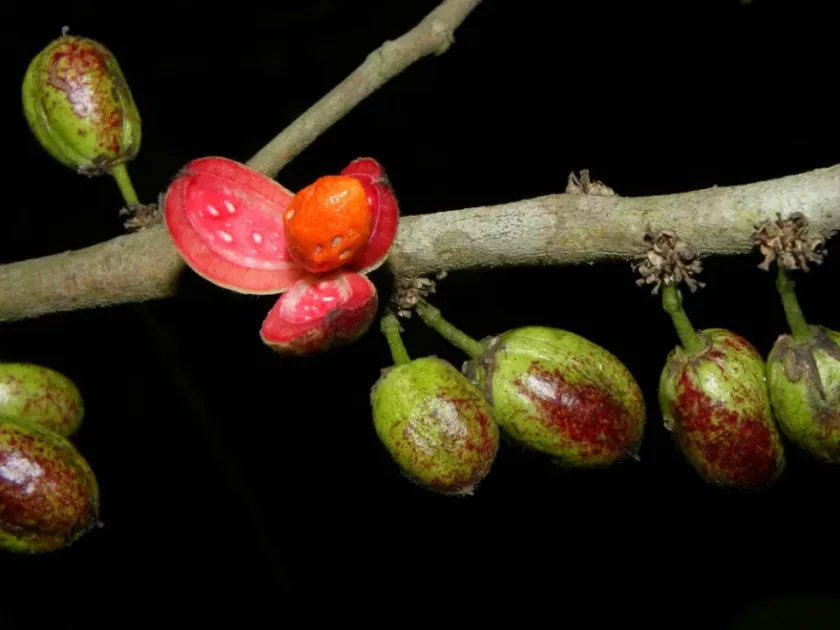
Description
Growing requirements
Casearia hirsuta is a tropical woody plant species belonging to the Salicaceae family. Originally found in the lush forests of Central and South America, it thrives in warm, humid tropical environments where it forms a significant part of the ecosystem.
The plant requires consistent warm temperatures throughout the year to maintain healthy growth. It is intolerant of frost or extreme temperature drops, which can lead to permanent damage or metabolic dormancy in this woody species.
Soil requirements for optimal development include well-drained, nutrient-rich substrates that mimic the floor of a rainforest. High organic matter content is essential to support the rapid growth of its distinctively pubescent leaves and stems.
The botanical characteristics of this plant include a unique covering of fine hairs on the foliage, which acts as a protective layer against environmental stressors and moisture loss. This feature is a key identification trait for the species within its genus.
Agricultural use of Casearia hirsuta is centered on its potential in forestry for local timber needs and in pharmacological research. Its extracts have been studied for potential bioactive properties that could serve future medicinal applications.
Main diseases and pests
The primary threats to Casearia hirsuta cultivation include soil-borne fungal pathogens that attack the root system. Over-watering is the most common cause of these issues, leading to root rot and eventual collapse of the tree structure.
Pest pressure from scale insects and aphids can be severe in plantation settings. These pests feed on plant sap, weakening the foliage and potentially vectoring viral or bacterial pathogens throughout the crop area.
Integrated Pest Management (IPM) is highly recommended for this culture. This includes the introduction of natural predators to control aphid populations and using targeted biological treatments instead of broad-spectrum pesticides.
Maintenance of optimal soil moisture levels is critical. Utilizing drip irrigation systems allows for precise water application, which helps avoid creating the wet conditions that favor soil-borne pathogens and root diseases.
Regular monitoring of the canopy is essential for early detection of pest colonies. By thinning overly dense foliage, growers can improve airflow and reduce the humidity levels that often contribute to fungal outbreaks.