
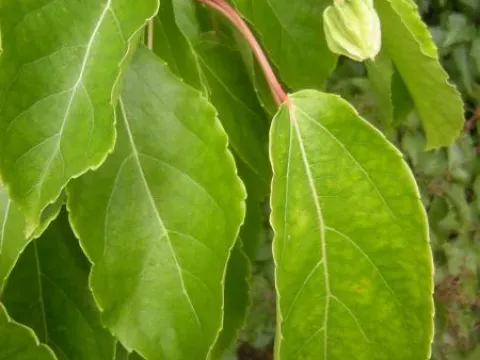
Carrierea
Carrierea
Carrierea is a genus of deciduous trees belonging to the Salicaceae family. These plants are characterized by their impressive size and lush foliage, which make them distinct within the broader context of woody plant diversity.
What the section contains

Carrierea
Native to the subtropical regions of Southeast Asia, these trees thrive in environments that offer consistent warmth and high humidity. They are generally not suited for regions with harsh, freezing winters, making them highly specialized in their habitat requirements.
To cultivate Carrierea successfully, one must provide fertile, well-draining soil that remains consistently moist. Loamy soils, enriched with organic matter, are ideal for supporting the tree's vigorous growth cycle during the warmer seasons.
Light exposure is a critical parameter for this species; while they appreciate bright, indirect light, young specimens should be shielded from intense, direct sunlight to prevent leaf scorch and dehydration.
Standard horticultural practice for Carrierea involves careful irrigation scheduling. It is essential to maintain soil moisture levels that avoid both waterlogging of the roots and extreme drought, which can trigger leaf drop and physiological stress.
The primary threats to Carrierea include various fungal diseases that often manifest as leaf spots or stem cankers. These conditions are typically exacerbated by poor ventilation and excessive moisture accumulation on the foliage.
Pest infestations, particularly by aphids and spider mites, pose a significant risk to the plant's health. These pests thrive in indoor or greenhouse settings where predators are absent and environmental conditions are stable.
Effective management of these threats involves a combination of preventive and curative measures. Regular inspection of the undersides of leaves and branches is necessary for the early detection of any pest colonies.
Application of systemic fungicides and miticides should be considered if biological control methods or physical removal are insufficient. It is vital to follow application guidelines to protect the plant from chemical stress.
Maintaining a healthy, well-pruned canopy is the best natural defense against many pests and diseases. By ensuring adequate airflow through the branches, the risk of fungal proliferation is significantly reduced over time.