
Casearia guianensis
Casearia guianensis
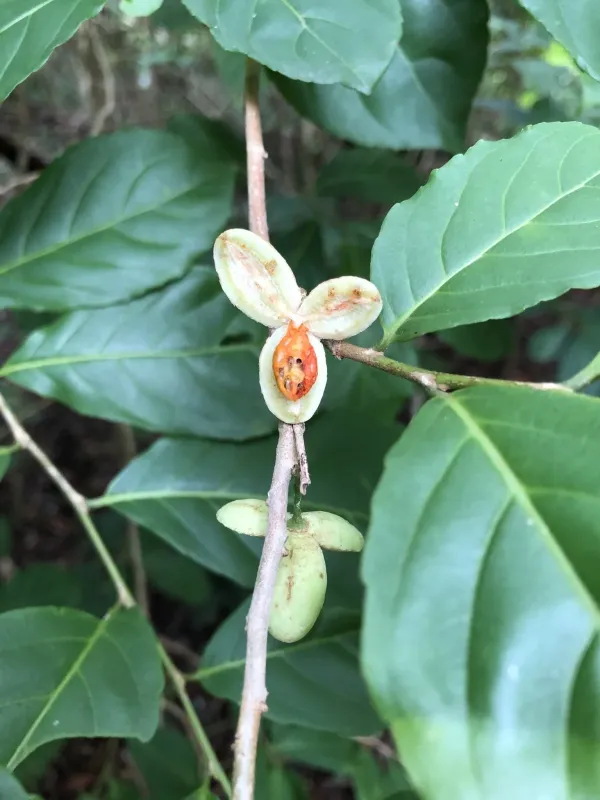
Description
Sowing dates
Casearia guianensis, a member of the Salicaceae family, is a versatile tropical shrub or tree species native to the diverse landscapes of Central and South America.
Propagation is primarily achieved through seeds, which require specific conditions of humidity and temperature to break dormancy. In a controlled nursery environment, sowing should occur in well-draining, organic-rich media.
To maximize success rates, seeds must be planted at a shallow depth to ensure adequate access to light, which is often a trigger for germination in many tropical arboreal species.
The timing of sowing is critical; planting during the onset of the rainy season provides the seedlings with the necessary environmental support to establish a strong root system before the onset of drier conditions.
Agricultural experts emphasize the importance of using sterilized substrate during the initial stage to prevent soil-borne pathogens from decimating the young, tender seedlings.
Growing requirements
This species thrives in tropical climates where the temperature remains consistently warm. It performs best in environments with high annual rainfall but requires excellent soil drainage to prevent root rot.
The soil should be fertile and slightly acidic, mimicking the nutrient-rich conditions of the rainforest floor. It is essential to avoid sites prone to waterlogging or high levels of salt accumulation.
While Casearia guianensis can tolerate partial shade, it achieves the most robust growth when exposed to filtered sunlight. Excessive direct solar radiation during the seedling phase may require artificial shading.
Regular maintenance, including the application of balanced organic compost, is recommended to support rapid vegetative development and ensure the tree builds sufficient resilience against environmental stress.
Proper spacing between plants is essential to promote airflow, which significantly reduces the humidity trapped within the canopy and mitigates the risk of common tropical plant ailments.
Main diseases and pests
Casearia guianensis is susceptible to several leaf-feeding insects that can significantly reduce the photosynthetic capacity of the tree if left unchecked.
Fungal pathogens, particularly those causing leaf spot or root decay, are frequent problems when the plant is kept in poor ventilation or overly waterlogged soil conditions.
Scale insects and mealybugs represent major threats to young plantations, as they tend to cluster on the undersides of leaves and along tender stems, sucking essential plant juices.
Integrated pest management strategies are recommended, focusing on early detection and the use of botanical insecticides or neem oil to control outbreaks without harming beneficial pollinators.
- Regular pruning to improve air circulation and sunlight penetration.
- Monitoring the canopy for signs of discoloration or pest activity.
- Applying preventive organic fungicides during the peak of the rainy season.