
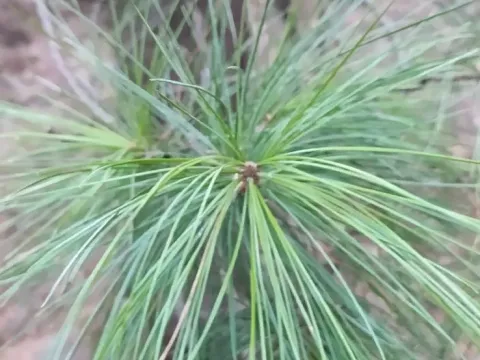
Siberian pine
Pinus sibirica Du Tour
Sowing seeds of Pinus sibirica in nurseries is a complex process that requires deep understanding of the species' biological cycle.
What the section contains
Siberian pine
Seeds need long-term stratification in a cold environment to break dormancy and ensure successful germination in the spring.
The seeding depth should be carefully controlled, ideally set at 3-4 cm in a well-draining, slightly acidic soil mixture.
Seedbeds must be kept consistently moist during the critical germination phase to prevent the delicate embryos from drying out.
Modern commercial nurseries often use specialized containers to promote robust root development and minimize transplant shock.
As a member of the Pinaceae family, the Siberian pine prefers cool, humid climates and deep, fertile forest soils.
The tree thrives in well-drained loams but is quite sensitive to waterlogging, which can cause root rot and tree mortality.
A crucial factor for success is the presence of symbiotic mycorrhizal fungi in the soil, which helps the tree absorb vital minerals.
While mature trees are exceptionally cold-hardy, they require sufficient sunlight to maintain high productivity and healthy crown development.
Adequate spacing between individual trees is necessary to prevent competition for nutrients and to allow for proper air circulation.
The Siberian pine is primarily cultivated for its edible nuts, which are highly valued in both food and cosmetic industries.
Commercial yields usually begin after the tree reaches a certain level of maturity, typically between 40 and 60 years of age.
Production cycles are characterized by natural fluctuations, with bumper crops occurring every few years depending on climatic variables.
Investment in proper orchard management, including fertilization and pruning, can lead to more consistent and higher yields over time.
The nuts contain a rich profile of fatty acids and proteins, making the crop a high-value product in the international market.
The Siberian pine is susceptible to several pests, most notably the cone moth, which can destroy a significant portion of the seed harvest.
Stem rust and various needle cast diseases represent major threats to tree health, especially in areas with poor ventilation.
Infestations of the Siberian moth can lead to catastrophic losses in forest plantations if left unchecked by integrated pest management.
Environmental stress, such as drought or air pollution, often weakens trees, making them more vulnerable to secondary infections.
Regular inspections and the removal of infected plant debris are essential practices to maintain the health of the entire plantation.
Harvesting usually involves shaking the branches or using mechanical tools to release the mature cones once they turn dark brown.
Timing is critical to ensure that the cones are harvested before they open naturally and scatter their valuable seeds on the ground.
Once gathered, the cones are typically dried in ventilated facilities, which causes them to open and release the nuts efficiently.
Processing the nuts involves cleaning, sorting, and careful drying to reach a moisture level suitable for long-term shelf storage.
Quality control during the harvest and post-harvest stages is vital to prevent contamination by mold and preserve the nutritional value of the oil.