
Stone pine
Pinus pinea L.
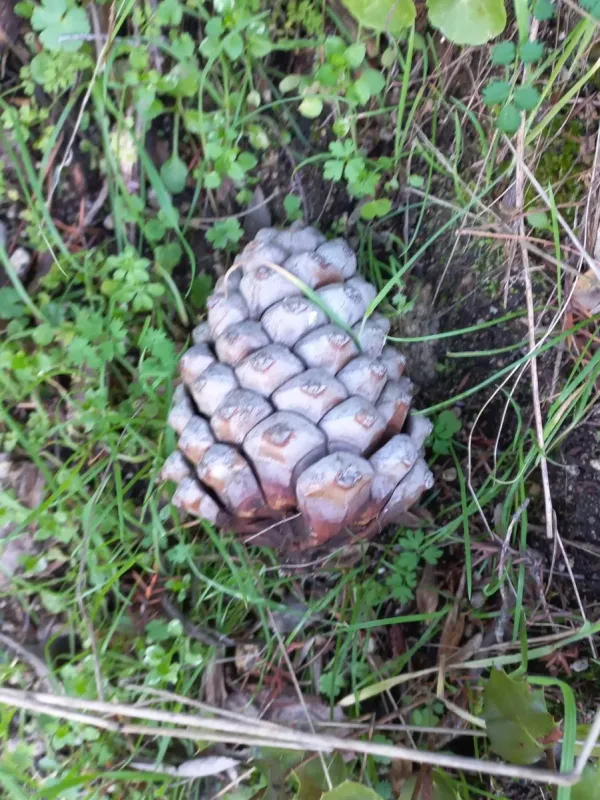
Description
Sowing dates
Sowing Stone Pine seeds is best performed in the spring after a period of cold stratification lasting 30 to 60 days. This process mimics natural conditions, breaking seed dormancy and ensuring a successful germination rate.
Use a well-draining, sandy-loam substrate for growing seedlings. Preventing waterlogged conditions is critical during the initial growth stages to avoid fungal infections known as damping-off.
Seeds should be planted at a depth of 2–3 centimeters. Maintain a temperature range of 18°C to 22°C to foster steady development of the radicle and ensure robust seedling growth.
Transplanting seedlings to their permanent location is typically conducted when the plants reach two or three years of age. By this time, the root system is sufficiently developed to survive field conditions.
Proper spacing is vital for the health of the orchard. Trees should be planted 8 to 10 meters apart, allowing the iconic umbrella-shaped canopy to expand fully without excessive competition for sunlight.
Growing requirements
The Stone Pine is a heliophilic species that thrives in full sun. Shade significantly limits its growth rate and negatively impacts the production of female cones, which are the source of edible pine nuts.
It prefers loose, sandy, or slightly acidic soils. Heavy, clay-rich soils that retain moisture are generally unsuitable for large-scale production, as they can cause root rot and tree decline.
The ideal climate is Mediterranean, characterized by hot, dry summers and mild winters. While mature trees are highly drought-tolerant, young plants need consistent irrigation during their first years of establishment.
The tree can tolerate light frosts down to -10°C, but sustained sub-zero temperatures can damage terminal buds, potentially reducing the yield for the following cycle.
Protection from harsh, desiccating winds is beneficial. Shelterbelts can help stabilize the microclimate, especially during the crucial stages of pollen dissemination and early cone set.
Yield
The economic focus of Stone Pine cultivation is the harvest of pine nuts (pinoli). These are highly nutritious, containing high levels of protein and beneficial unsaturated fatty acids.
The tree has a long juvenile phase, usually beginning to produce cones after 10 to 15 years. This necessitates a long-term management perspective for any commercial orchard investment.
At maturity, around 20–25 years of age, a single tree can yield between 10 to 25 kilograms of cones. The exact output depends on genetic factors, site quality, and orchard maintenance intensity.
Cones require three years to mature fully after pollination. This three-year cycle means that growers have cones at different stages of development on the tree simultaneously, complicating the harvest schedule.
The final yield is measured in terms of kernel quality. Market value is dictated by kernel size, moisture content, and the efficiency of the shelling process to prevent kernel breakage.
Main diseases and pests
The western conifer seed bug (Leptoglossus occidentalis) is a primary threat. It pierces the scales of developing cones to feed on the seeds, which often leads to shriveled kernels or complete cone abortion.
Fungal diseases like pine needle rust and various types of needle cast can be problematic in humid environments with poor air circulation. Integrated pest management and pruning are essential for control.
Bark beetles represent a significant risk, especially during periods of extreme drought or after physical damage. They thrive on stressed trees, making tree health a primary defensive strategy.
Phytophthora root rot is a major pathogen in poorly drained soils. It is often lethal and difficult to manage, making site selection the most effective preventative measure against this pathogen.
Regular monitoring of the canopy and removal of dead or infested branches help maintain the overall sanitary condition of the orchard and limit the spread of pathogens.
Harvesting
Harvesting is a labor-intensive operation due to the height of the trees. It is typically performed in winter when the cones are mature but have not yet opened to release their seeds naturally.
Professional harvesting often involves specialized climbing equipment or hydraulic platforms to reach the canopy. Minimizing damage to the branches is essential for maintaining the productivity of future harvests.
Once gathered, cones are subjected to heat, either from direct sunlight or mechanical drying ovens. This heat causes the cone scales to splay open, releasing the seeds from their protective pockets.
Post-harvest processing includes mechanical shelling to remove the hard outer coat of the pine nut. The kernels are then cleaned, graded by size, and dried to the appropriate moisture level.
Proper storage is crucial to prevent the high fat content from going rancid. Pine nuts must be stored in cool, dry conditions, preferably in airtight packaging, to maintain shelf life and flavor.