
Shortleaf pine
Pinus echinata Mill.
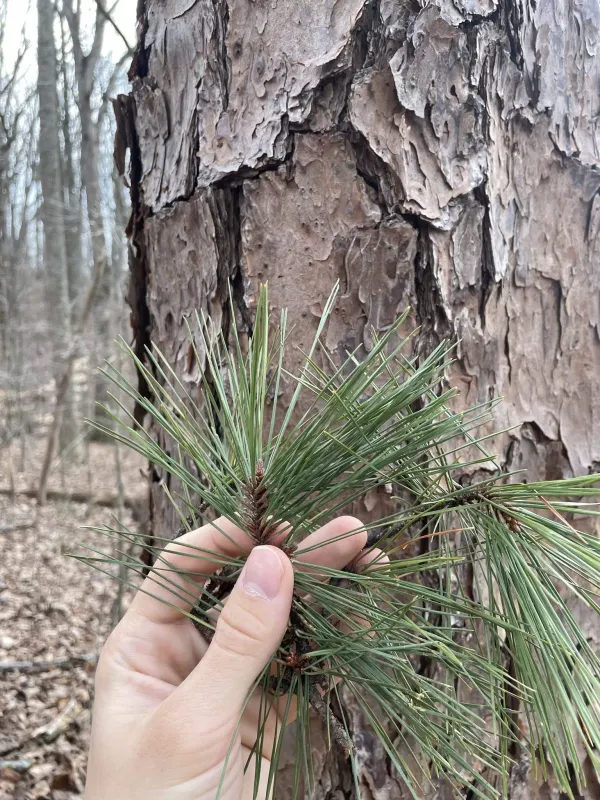
Description
Sowing dates
Sowing of Shortleaf pine seeds in nurseries is typically conducted in the spring, once soil temperatures reach 10-12 degrees Celsius. Proper seed stratification, lasting 30 to 60 days, is essential to ensure high germination rates.
In natural settings, propagation occurs via wind-dispersed seeds from opening cones. In commercial forestry, two-year-old seedlings, raised in containers or open-field nurseries, are preferred for establishing new plantations.
Planting density is determined by the intended use of the timber; for high-quality lumber, a spacing of 2.5 by 2.5 meters is standard to allow for proper crown development and reduce competition between trees.
Young plantations require weed control during the first three years of life, as the species is sensitive to competition for light. Regular weeding and mulching around the base of the seedlings are vital cultivation steps.
Mineral fertilization during early development promotes root system expansion. However, nitrogen fertilizers should be applied with caution to avoid stimulating excessive shoot growth that might be vulnerable to frost damage.
Growing requirements
Shortleaf pine, a member of the Pinaceae family, is a critical timber species native to North America. It thrives on well-drained, sandy or loamy soils with moderate acidity levels.
The species is known for its high drought tolerance and ability to grow on nutrient-poor or eroded soils, making it an excellent choice for reforestation projects on degraded landscapes.
Optimal climatic conditions include a temperate climate with mild winters. While the tree can withstand temperature fluctuations, the ideal mean annual temperature ranges from 10 to 15 degrees Celsius.
Light requirement is a key biological trait of this species. In dense forest stands without periodic thinning, growth significantly slows down, leading to lower-quality timber production.
The tree possesses a unique adaptation to wildfire: dormant buds along the stem allow it to resprout even after the crown has been damaged, a trait that gives it a survival advantage over other pine species.
Yield
The economic utility of Shortleaf pine wood spans various sectors, including construction lumber, utility poles, plywood, and the pulp and paper industry.
In intensive forest management, rotation cycles for harvesting range from 40 to 60 years. The volume of commercial-grade timber depends on consistent thinning regimes and maintaining optimal stand density.
Shortleaf pine wood is prized for its strength, hardness, and excellent workability. It is widely utilized in the furniture industry for structural frames and various woodworking applications.
Beyond timber, the species can be harvested for oleoresin. The resin of Pinus echinata contains terpenes, which are highly valued in the chemical and pharmaceutical manufacturing industries.
Forest productivity is determined by site quality. On deep, fertile soils, annual growth can reach 6-8 cubic meters per hectare under proper silvicultural management.
Main diseases and pests
The primary threat to this species is the fusiform rust fungus, which creates galls on stems and branches, significantly reducing the wood's commercial value and structural integrity.
Insects like the pine tip moth and the pine weevil can cause substantial damage to young stands by feeding on developing shoots or bark, often leading to stunted growth or seedling mortality.
Bark beetles represent a major threat to mature forests. During prolonged droughts, trees become stressed and more susceptible to infestations, which can lead to rapid decline and mass tree mortality.
- Fusiform rust
- Pine weevil
- Bark beetles
- Pine tip moth
- Root rot
Disease prevention involves maintaining sanitary forest conditions, prompt removal of infested trees, and selecting genetically resistant planting stock to ensure plantation longevity.
Harvesting
Final harvest operations are conducted using either selective or clear-cut methods, depending on the management strategy, regional environmental regulations, and the goal of the stand.
Logging is primarily carried out during autumn and winter when sap flow is minimal. This practice ensures better wood quality and reduces the attraction of boring insects to the site.
Modern logging equipment, such as harvesters and forwarders, is utilized to minimize soil compaction and damage to residual trees, preserving the forest floor for future growth.
Primary processing includes debarking and grading by diameter and log quality. Proper kiln-drying is a critical stage to prevent warping, shrinking, or checking of the final lumber product.
Following harvest, reforestation efforts are mandatory, including site preparation and the replanting of native seedlings to maintain the cycle of sustainable forest production.