
Masson pine
Pinus massoniana
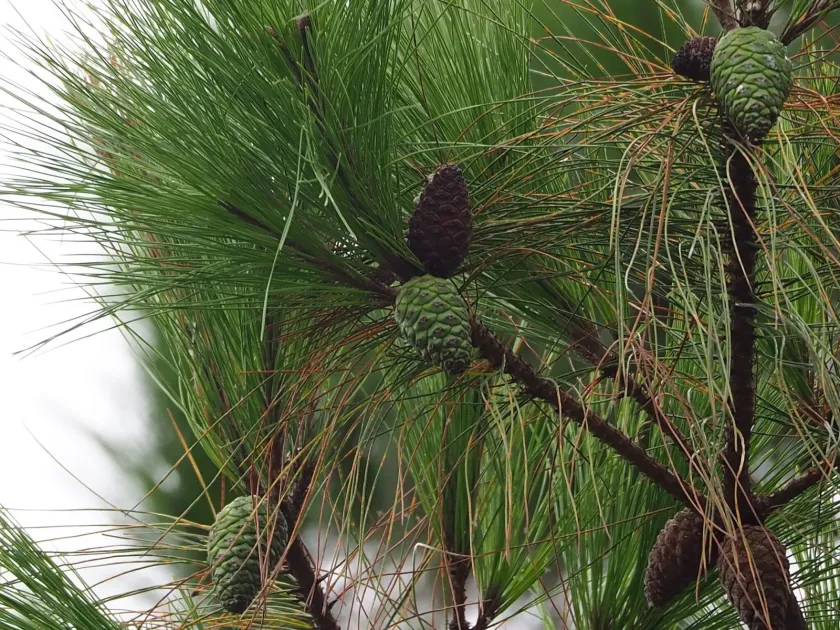
Description
Growing requirements
Masson pine (Pinus massoniana), a member of the Pinaceae family, is a significant evergreen conifer native to central and southern China. It is highly valued for its rapid growth rate and ability to thrive in diverse environmental conditions.
The species is well-adapted to subtropical climates, requiring sufficient rainfall and moderate temperatures for optimal development. While it is tolerant of some temperature fluctuations, it performs best in regions with mild winters.
Soil requirements for this pine are relatively low; it is known for its ability to grow on acidic, poor, and rocky soils. However, it exhibits superior growth on well-drained, deep, and slightly acidic loams where moisture is adequate.
As a light-demanding species, Masson pine requires full sun to maintain a healthy growth rate and crown structure. Proper site selection is critical, as shading from larger trees or dense canopy coverage can lead to stunted growth and reduced survival.
Agrotechnical practices involve planting nursery-grown seedlings at proper spacing to ensure adequate airflow and light penetration. Management often includes periodic thinning to promote diameter growth and improve overall stand health.
Main diseases and pests
The most devastating threat to Masson pine populations is the pine wilt disease caused by the pinewood nematode (Bursaphelenchus xylophilus). The disease is transmitted primarily by wood-boring beetles of the genus Monochamus.
Pine caterpillars are a major defoliating pest that can cause significant damage to large forest areas. Periodic outbreaks can lead to widespread growth retardation and, in severe cases, the death of weakened trees.
Fungal pathogens such as Diplodia blight can affect branches and cones, especially in humid and warm climates. These infections are often managed through sanitary pruning and the maintenance of optimal tree spacing.
Integrated pest management strategies include the installation of attractant traps to monitor and control the populations of beetle vectors, alongside maintaining forest biodiversity to naturally limit pest outbreaks.
Research into resistant cultivars and silvicultural methods that encourage healthy, resilient forest stands is essential for the sustainable management of this economically vital tree species.