
Spruce pine
Pinus glabra Walter
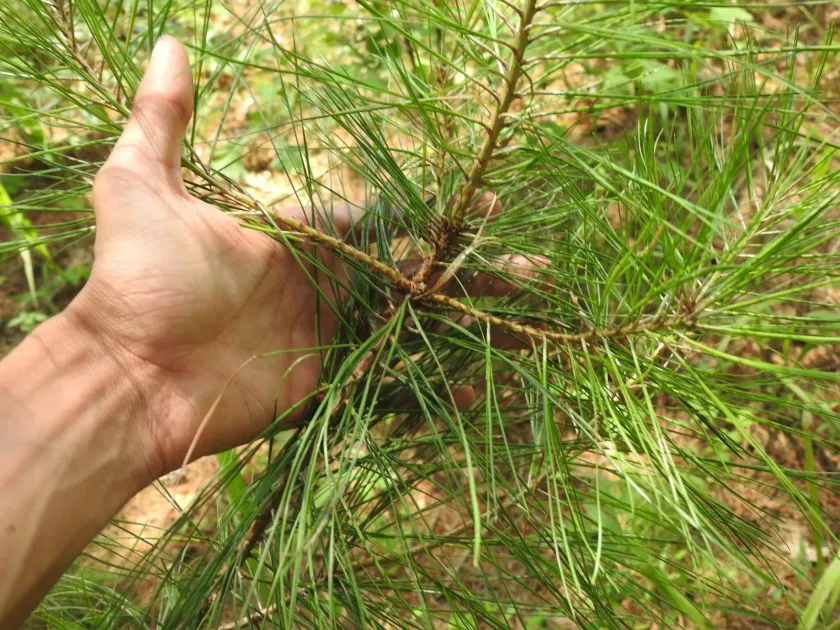
Description
Sowing dates
Propagation of Pinus glabra is typically achieved through seeds gathered from mature cones. The seeds are extracted and processed before being sown in seedbeds during the early spring season.
Cold stratification is essential to break seed dormancy and ensure successful germination. Keeping seeds at low temperatures for several weeks mimics the natural cycle and increases the overall yield of seedlings.
The sowing medium should be well-drained, acidic, and rich in organic matter to mimic the natural forest floor habitat. Seeds should be sown at a shallow depth and lightly covered with soil or pine needles.
Container-grown seedlings are preferred for reforestation or landscape use as they offer superior transplanting success compared to bare-root stock. Proper irrigation during the first year is critical for establishing the root system.
Spacing between plants should be carefully considered, as Pinus glabra develops a spreading canopy. Standard spacing in plantations ensures adequate light and nutrient distribution among the maturing trees.
Growing requirements
Pinus glabra, commonly known as spruce pine, is a member of the Pinaceae family native to the southeastern United States. It thrives in moist, bottomland forest environments rather than dry, upland sandy sites.
The tree exhibits remarkable shade tolerance, allowing it to compete effectively in the understory of various hardwoods. This makes it a valuable species for diverse forest ecosystem management.
Optimal growth occurs in moist, well-drained, slightly acidic soils. While it can handle a range of textures, it performs best in soils that maintain high levels of moisture without becoming waterlogged.
The species requires a climate with mild winters and high annual rainfall. It is not cold-hardy compared to other pines and should be protected from extreme freezing temperatures in northern regions.
Cultural practices should include monitoring moisture levels during dry spells, as this pine is less drought-resistant than its counterparts. Consistent care ensures the retention of its characteristic dark, soft needles.
Main diseases and pests
The main pathogens affecting Pinus glabra are various root rot fungi, which thrive in poor drainage conditions. Early identification and soil moisture regulation are the best methods to control these outbreaks.
Pests such as pine aphids and scale insects are common. These organisms sap nutrients from the needles and shoots, potentially leading to yellowing or stunted growth if left unmanaged.
Bark beetles are major threats to mature specimens, particularly when trees are stressed by drought or environmental changes. Regular monitoring of the bark for entry holes is a necessary forestry practice.
Integrated pest management strategies should focus on thinning out overcrowded stands to improve airflow. This practice reduces the humidity levels that fungi and insect populations require to flourish.
Chemical intervention, including fungicides and systemic insecticides, should be used sparingly and as a last resort. Always follow local agricultural guidelines when applying treatments to protect the surrounding ecology.