
Red pine
Pinus resinosa Aiton
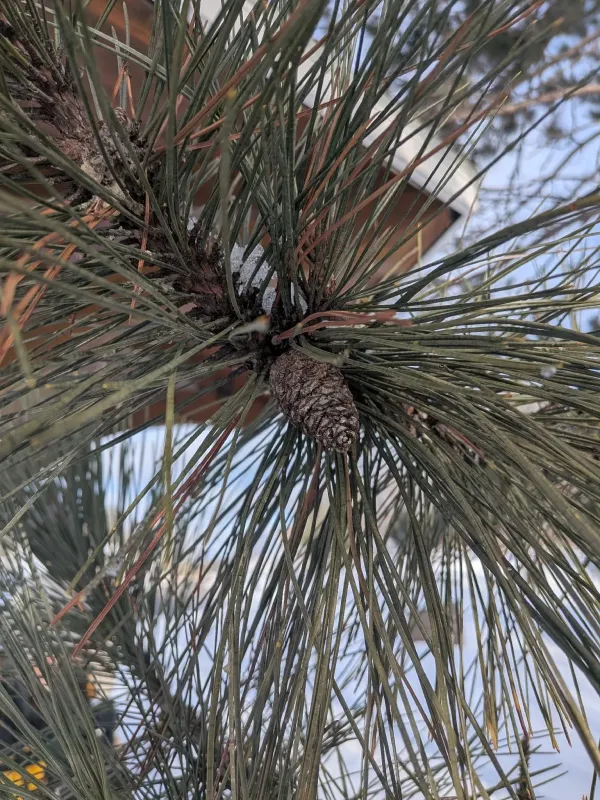
Description
Sowing dates
Sowing of Red pine seeds is typically conducted in the spring when soil temperatures reach 8–10 degrees Celsius. To ensure uniform germination, seeds should undergo a cold stratification process for approximately 30 to 60 days before sowing.
The seeds are sown at a depth of 1–1.5 cm into well-drained sandy or loamy soils. In nursery environments, using a light substrate is crucial to prevent damping-off diseases, which can decimate young seedlings in the first few weeks.
Seedlings are transplanted to their permanent site either in the early spring or late autumn. Spring planting is preferred in northern regions to allow the root system to establish before the onset of the heat and water stress of summer.
Planting density is generally managed between 2,500 and 4,000 trees per hectare for timber production. Higher densities during the early years encourage upward growth and suppress lower branch development, resulting in clearer timber.
Maintenance of seedlings requires consistent irrigation during the first two years of growth. Once established, Red pine is quite resilient, but early-stage protection against competing weeds and drought is essential for high survival rates.
Growing requirements
Red pine (Pinus resinosa) belongs to the Pinaceae family and is recognized for its ability to thrive on poor, sandy, or rocky sites where other commercial timber species struggle. It is native to the northeastern regions of North America.
This species is highly intolerant of shade and requires full exposure to sunlight for optimal development. Planting in shaded areas leads to sparse foliage, stunted growth, and increased susceptibility to pests and environmental stressors.
The tree is exceptionally cold-hardy, capable of withstanding the harsh winters of its native range. It prefers acidic, well-drained soils and does not tolerate waterlogged conditions, which often cause root rot and tree decline.
Although it adapts to nutrient-poor soils, growth rates can be significantly improved with appropriate silvicultural interventions. Maintaining a clean site and preventing competition from shrubs and grasses during the tree's juvenile stage is a key agrotechnical requirement.
Red pine performs best in climates with moderate to high humidity but can adapt to various conditions provided there is good soil drainage. It is a long-lived species, often reaching maturity after several decades of steady, reliable growth.
Yield
The yield of Red pine is highly valued in the forestry industry due to the durability and strength of its timber. It is widely used for construction lumber, pulpwood, telephone poles, and various decorative wooden products.
The growth rate of Red pine is relatively fast when compared to other pines on similar poor soil sites. Under proper management, including thinning operations, the tree produces high-quality, straight logs that command significant market value.
Thinning is a vital agrotechnical practice that regulates the yield. Removing intermediate trees allows the remaining specimens to increase in diameter, maximizing the volume of valuable sawtimber over a 50 to 60-year rotation period.
In addition to timber, Red pine serves important ecological functions, including erosion control and serving as a windbreak. Its consistent growth patterns make it a reliable choice for commercial afforestation projects.
Seed production in Red pine occurs in cycles, with heavy cone crops appearing every 3 to 5 years. Managing these cycles allows forestry departments to collect seeds for reforestation efforts, ensuring the continuity of the plantation.
Main diseases and pests
Red pine is vulnerable to several pests, most notably the Red pine sawfly, which feeds on the needles. Severe infestations can defoliate entire trees, leading to significant growth loss and potential mortality if the attacks persist over multiple seasons.
Bark beetles pose a major threat to stressed or damaged trees. Proper sanitation, including the prompt removal of weakened or dead timber from the site, is the primary method for controlling beetle populations and preventing widespread outbreaks.
Needle diseases, such as pine needle rust and various blight infections, often thrive in areas with poor airflow and high humidity. Using fungicides in nurseries is common, while in plantations, maintaining appropriate spacing improves air circulation and reduces risk.
Scleroderris canker is another serious disease that can affect Red pine, particularly in colder climates. Monitoring for signs of dieback and ensuring proper site selection are crucial strategies for avoiding this devastating fungal pathogen.
Maintaining a healthy, vigorously growing forest is the best defense against threats. By following proper silvicultural guidelines, including appropriate thinning and fertilization on deficient soils, land managers can significantly bolster the resilience of their Red pine stands.