
South Florida slash pine
Pinus elliottii Engelm. var. densa Little & Dorman
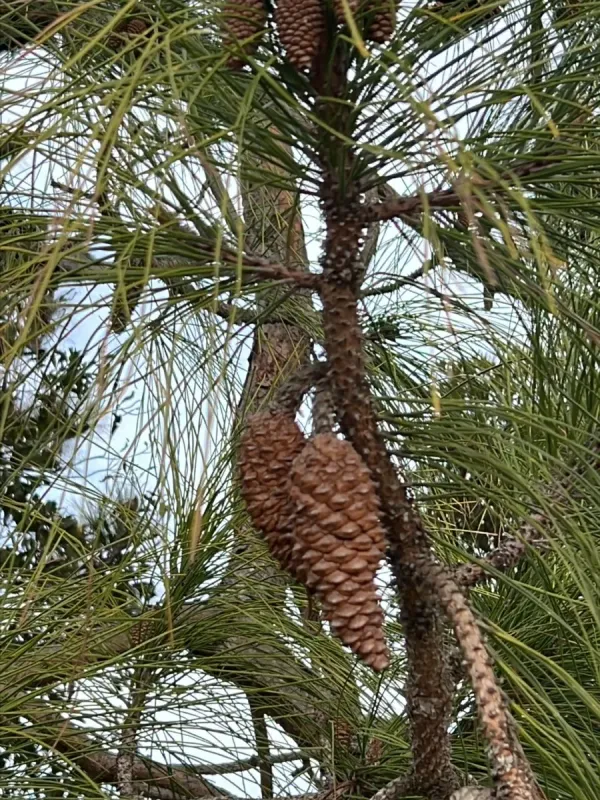
Description
Growing requirements
The South Florida slash pine (Pinus elliottii var. densa) is a distinct botanical variety within the Pinaceae family, native to the southern regions of Florida. It is biologically recognized for its unique grass stage, which serves as a defensive mechanism against wildfires during the seedling phase.
The culture thrives in subtropical climates with high annual precipitation. It is highly adapted to the unique hydrology of its range, capable of enduring water-logged soils for short periods while maintaining vigorous growth on well-drained sandy substrates.
Regarding sunlight requirements, this species is an obligate heliophyte. It necessitates full exposure to solar radiation, as any competitive shading from neighboring canopy trees will significantly impede the development and survival rates of young saplings.
Agrotechnical management in commercial plantations focuses on initial weed control to minimize resource competition. The species is fire-adapted; its thick bark allows mature trees to withstand low-intensity ground fires, which are often used as a management tool to clear undergrowth.
Economically, this pine is primarily valued for its high-quality timber and historical significance in the turpentine and resin industries. Its ecological role in stabilizing soil and providing habitat in coastal ecosystems makes it a priority for reforestation efforts.
Main diseases and pests
Pathogenic fungi pose a primary threat to the vitality of slash pine stands. Needle blight and stem rusts are common diseases that manifest particularly in humid environments, potentially causing long-term growth suppression.
Insect pests, most notably bark beetles, present a severe risk to plantation health. These insects bore into the cambium layer, and in high-density stands, they can cause extensive mortality if left unmanaged.
Damage caused by invasive species and certain defoliating insects can also lead to significant biomass loss, making integrated pest management a necessary component of forestry.
Environmental stress, such as extended droughts or tropical storm damage, increases the susceptibility of the trees to secondary infestations, necessitating constant site monitoring.
Failure to manage the density of stands can lead to competitive stress, which makes individual trees weaker and more susceptible to both abiotic and biotic hazards.