
Swiss stone pine
Pinus cembra L.
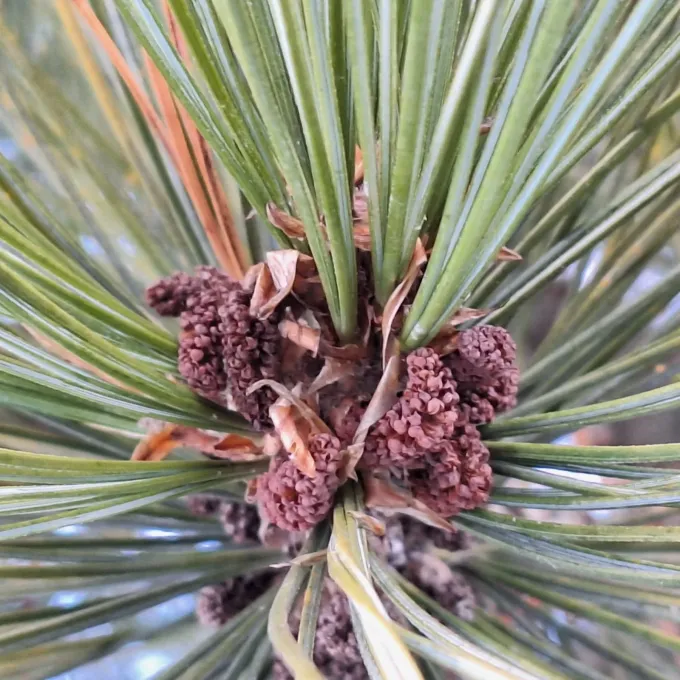
Description
Sowing dates
Sowing seeds of the Swiss stone pine, Pinus cembra, is typically done in early spring or autumn. To achieve optimal germination, seeds must undergo a stratification process lasting 3-4 months at cold, moist temperatures, which breaks dormancy.
Seeds should be sown at a depth of 3-4 centimeters in a well-drained, nutrient-rich soil. It is crucial to protect the sowing beds from rodents and birds that frequently feed on the nutrient-rich pine seeds.
Using containerized seedlings is recommended for large-scale production as it protects the fragile root system and ensures higher survival rates during transplanting. Proper spacing is essential to prevent overcrowding and ensure adequate airflow.
Young seedlings require partial shade during their first years to prevent sunscald and desiccation. Maintaining a constant but moderate soil moisture level is the most critical factor for successful early development.
Once the seedlings reach a suitable size, they should be hardened off before being moved to their final plantation site. This preparation is vital for their adaptation to the often harsh alpine environments where they thrive.
Growing requirements
The Swiss stone pine, a member of the Pinaceae family, is a slow-growing, long-lived conifer native to the high mountains of Central Europe. It is renowned for its exceptional tolerance to cold and wind, making it an ideal choice for high-altitude reforestation.
While extremely hardy, the species has specific requirements for humidity and soil quality. It thrives best in deep, slightly acidic, and well-drained soils, showing a preference for sites with steady moisture levels.
This pine is photophilous (light-loving) but displays a high degree of shade tolerance in its youth, allowing it to regenerate successfully under the canopy of more mature trees. It performs poorly in hot, dry lowlands, where summer heat can be lethal.
Agrotechnical management includes regular mulching of the root zone to maintain temperature stability and weed control, which is particularly important during the first few years. Fertilizer application should be minimal and tailored for conifers.
The tree’s ability to survive in nutrient-poor conditions is exceptional, yet growth rates can be significantly improved through proper site selection and initial maintenance. Pruning should be limited to the removal of dead or diseased branches to maintain health.
Yield
The Swiss stone pine is valued both for its high-quality timber and for its edible, nutrient-dense seeds, known as pine nuts. It enters the reproductive phase relatively late, typically starting to produce cones at 20-30 years of age.
Peak cone production usually occurs between 60 and 100 years of age. Due to the cyclical nature of its reproduction, yields can vary significantly from one year to the next, which is a key factor in managing commercial pine nut plantations.
The nuts of Pinus cembra are prized for their unique flavour and nutritional composition, containing high levels of healthy fatty acids. They are a staple of alpine cuisine and are highly sought after by local markets.
The timber is soft, fragrant, and resistant to decay, making it a premium material for interior woodwork, carvings, and high-end furniture. Sustainable management of the trees allows for both nut harvest and periodic selective logging.
Modern plantations use selective breeding to improve nut yield and size. Efficient harvest management, including the use of specialized shaking machinery, helps maximize the annual output of these high-value products.
Main diseases and pests
The most serious threat to Pinus cembra is blister rust, a fungal disease that can devastate young stands. Effective control requires regular inspections and the removal of infected trees to prevent the spread of spores.
Bark beetles represent a significant danger to mature trees, particularly when they are weakened by climatic stress or extreme drought. Proactive forest management, including the removal of deadwood, is essential to keep populations low.
Pine cone moths can cause substantial losses in nut production by larvae feeding on developing cones. Integrated pest management strategies, such as biological controls or timely insecticide applications, are used in managed orchards.
Sooty mold and various needle casts can affect the health of the crown, leading to reduced photosynthesis and tree vigor. These conditions often arise in poorly ventilated plantations with excessive humidity.
- Use of disease-resistant planting stock for new sites.
- Strict sanitation measures to remove infected material.
- Monitoring of humidity levels to prevent fungal development.
Harvesting
Harvesting usually takes place in late summer or early autumn, just as the cones approach full maturity but before they begin to open and shed their seeds. Timing is critical to capturing the full yield of the crop.
Cones are typically harvested by hand using long poles to knock them from the branches, ensuring that the tree’s delicate reproductive buds for the following year are not damaged during the process.
Post-harvest, the cones must be dried in controlled conditions. As they dry, they open naturally, allowing for the extraction of the nuts. Proper ventilation is key to ensuring that the seeds do not mold during this period.
Once extracted, the nuts are cleaned of debris, sorted by size, and dried further to a stable moisture content. This ensures they can be stored for long periods without losing their delicate nutritional properties.
Standardized post-harvest processing adds value to the product by ensuring consistency in quality and shelf life. Adhering to these harvest best practices is the foundation of a successful and profitable nut production venture.