
Oaxaca pine
Pinus oaxacana
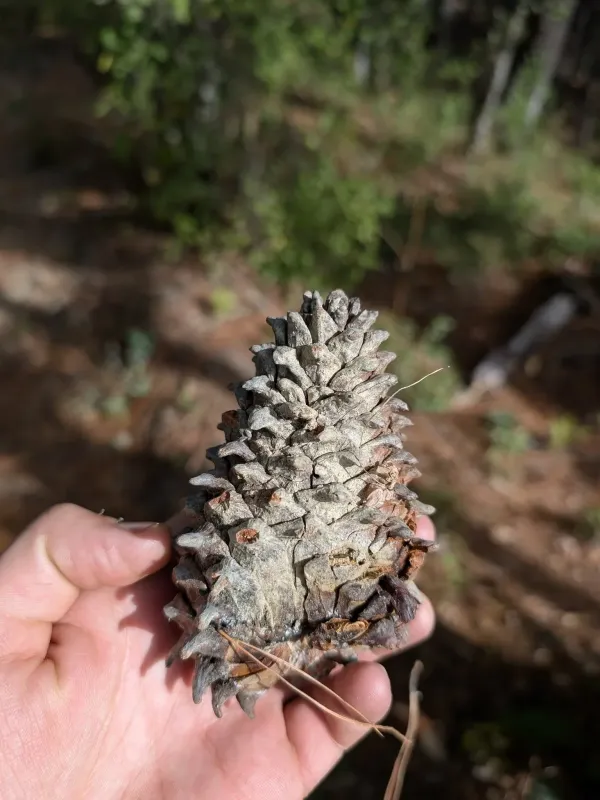
Description
Growing requirements
The Oaxaca pine (Pinus oaxacana) is a coniferous tree belonging to the Pinaceae family. Native to the mountainous regions of Oaxaca in Mexico, this species is well-adapted to high-altitude ecosystems characterized by temperate, moist conditions.
In its natural habitat, the tree typically thrives at elevations ranging from 2000 to 3000 meters above sea level. It is commonly found in cloud forests, where frequent mist and moderate precipitation provide a stable environment for its growth and development.
Regarding soil requirements, the species prefers deep, well-drained, slightly acidic soils rich in organic matter. Proper soil aeration is essential for the healthy development of its root system, as this pine is highly sensitive to waterlogged conditions.
Cultivation practices focus on providing sufficient sunlight. While young seedlings can tolerate a degree of shade, optimal growth rates are achieved under full sun exposure. Regular monitoring of local microclimatic conditions is necessary when establishing new stands.
Economically, the Oaxaca pine is valued for its timber, which is used in local construction and carpentry. Furthermore, it plays a vital role in forest restoration projects within its native range, helping to stabilize mountain slopes and conserve local ecosystems.
Main diseases and pests
Pathogenic fungi represent a primary threat to the Oaxaca pine, particularly in areas where soil moisture management is poor. Root rot can quickly spread through a stand if drainage systems are insufficient or if the soil becomes overly compacted.
Insect pests, such as bark beetles and various weevil species, pose a constant risk to trees stressed by drought or environmental changes. These pests target weak specimens, often leading to significant losses in poorly managed or damaged forest areas.
Climatic stressors, particularly the reduction of natural cloud cover and changing rainfall patterns, negatively impact the recruitment of new trees. Such changes weaken the overall forest structure and increase susceptibility to secondary infections.
Invasive species can compete with young pines for nutrients and sunlight, hindering their establishment in natural clearings. Effective forest management requires periodic vegetation control to ensure that young seedlings have sufficient resources to thrive.
Protecting the Oaxaca pine involves strictly controlled forestry practices. Avoiding mechanical injury to the trunks during maintenance is critical, as any open wound serves as an entry point for airborne spores and wood-boring insects.