
Slash pine
Pinus elliottii Engelm.
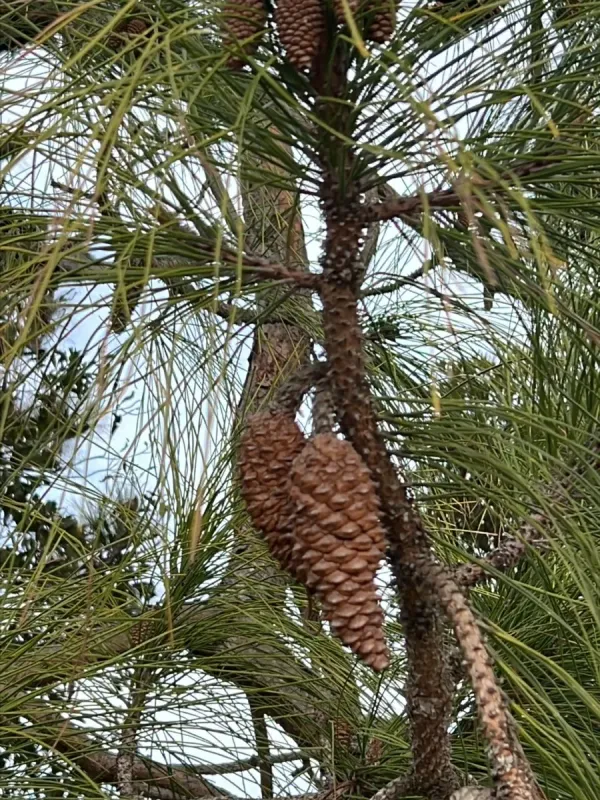
Description
Sowing dates
Slash pine seeds are typically sown in specialized nurseries during the spring months to capitalize on increasing temperatures and soil moisture. This timing allows seedlings to develop a strong root system before the heat of mid-summer.
Before sowing, seeds often undergo cold stratification to break dormancy and ensure uniform germination. Nurseries prioritize using high-quality, well-draining potting media to prevent the accumulation of excess water around the sensitive seeds.
Containerized seedling production is the standard in modern silviculture for this species. This method significantly enhances survival rates upon outplanting because the root plug remains intact and protected from desiccation.
Sowing density is calibrated to produce sturdy, balanced seedlings. Professionals monitor environmental conditions, such as humidity and light, to prevent etiolation—a common issue when seedlings are overcrowded or under-lit.
After the first growing season in the nursery, seedlings reach the appropriate size for mechanical or manual transplantation to permanent forest sites, ensuring a higher rate of successful establishment in the field.
Growing requirements
Pinus elliottii is a subtropical species that thrives in regions with mild winters and warm, humid summers. It is native to the southeastern United States and requires a climate without severe or prolonged deep-freeze events.
This tree is remarkably adaptable to various soil types, ranging from sandy loams to wetter, poorly drained sites. Its ability to tolerate periodic saturation makes it an excellent choice for reforesting land that is unsuitable for other pine species.
As a highly light-demanding species, Slash pine requires full sun exposure for optimal health and growth. In dense, shaded conditions, the tree will lose its lower branches quickly and exhibit significantly reduced height and girth growth.
While the tree can grow in nutrient-poor soils, commercial plantations often benefit from phosphorus fertilization. This nutrient is critical for early development and can accelerate the transition from the sapling stage to the pole stage.
Maintaining a clean, weed-free area around the base of the tree during the first few years is vital. Removing competing vegetation prevents moisture and nutrient stress, allowing the young pine to capture the resources it needs to dominate the site.
Yield
Slash pine is prized in forestry for its rapid growth rate, making it one of the most productive timber species in subtropical environments. Depending on management, rotations can be as short as 20–30 years for pulpwood or lumber.
The timber produced is dense and structurally sound, finding extensive use in construction, plywood manufacturing, and the pulp and paper industry. Its versatility makes it a reliable asset for forest landowners.
Historically, this species was the primary source of naval stores, such as turpentine and rosin, obtained from its high-quality resin. While resin harvesting has declined, the tree remains valuable for its wood production capacity.
Yield metrics are largely determined by site quality and planting density. Strategic thinning of the plantation at mid-rotation is a key management practice that improves the diameter of remaining crop trees and increases final harvest value.
Effective management plans focus on maximizing biomass yield through optimized spacing, which ensures that each tree has sufficient space to optimize its growth rate without competing for limited sunlight or soil nutrients.
Main diseases and pests
Fusiform rust, caused by a fungal pathogen, is the most destructive disease affecting Slash pine. It manifests as large galls on the stem and branches, which can significantly weaken the tree and reduce its commercial value.
Various bark beetle species represent a constant threat to plantation health. These insects typically target trees that have been stressed by drought, wildfire damage, or overcrowding, leading to rapid mortality if not addressed early.
Wildfire poses a significant risk to young stands. Although mature Slash pine possesses thick, fire-resistant bark, saplings and pole-sized trees can be easily destroyed, requiring active fire suppression and prevention strategies in forest management.
Environmental stress, such as extended flooding combined with high heat, can weaken root systems, making them susceptible to secondary fungal infections. Proper site selection and drainage management remain the best preventative measures.
Integrated pest management, including regular visual monitoring of plantations, is essential for identifying early signs of disease or infestation, allowing foresters to take corrective action before a localized problem becomes a major economic loss.